












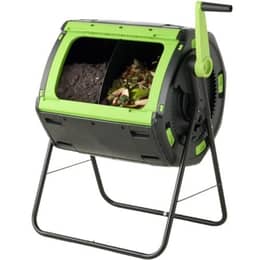
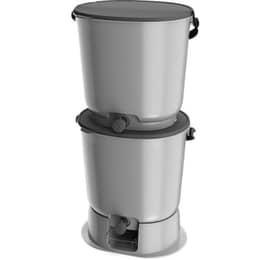
Maze 180L Dual-Chamber Rotating Composter
Effortless outdoor composting
$166.55 €149.17
Fast and odor-free, composting worms eat your food scraps and turn them into fertilizer for your plants.

From 2 to 4 trays, with an optional planter.

Up to 18 growing areas around a central worm composter.

Terracotta, with a flower pot.

From 2 to 4 trays, with a lower shelf.

Trays you add over time for easy vermicompost harvesting.

Turn your planters and flower beds into a worm composter: WORMacotta, In-Ground.
 Practical guide

From kitchen to garden, composting becomes simple, fast, and effective for everyone.
 Practical guide
 Practical guide
Live animals (worms and bait) and products to feed and care for pets and livestock.

Eisenia composting worms for your worm composter or compost bin.

Ultra-fresh worms: red worms, Dendros, and Canadian nightcrawlers from 3.5 oz (100 g) to 2.2 lb (1 kg).

Natural solutions dedicated to the well-being of horses, ponies, and donkeys.

Optimize the health and performance of your farm.

Mealworms: natural, nutritious supplements.
Beautify your home with our decorative pieces and care for your house in a natural, sustainable way.
Garden the eco-friendly way, in harmony with nature, for healthy, long-lasting plants.
EM-based products designed to enrich soil, protect plants, support animal health, and make everyday well-being and home care easier.

Contains a blend of 80 families of beneficial microorganisms.

Revitalize, purify, and improve water quality in all your applications.

Stimulate soil microbial activity and plant growth.

Clean and care for your surroundings naturally.

For the well-being and health of pets, livestock, and horses.

Enrich your body care and dietary routines with essential enzymes.
 Practical guidePractical guide

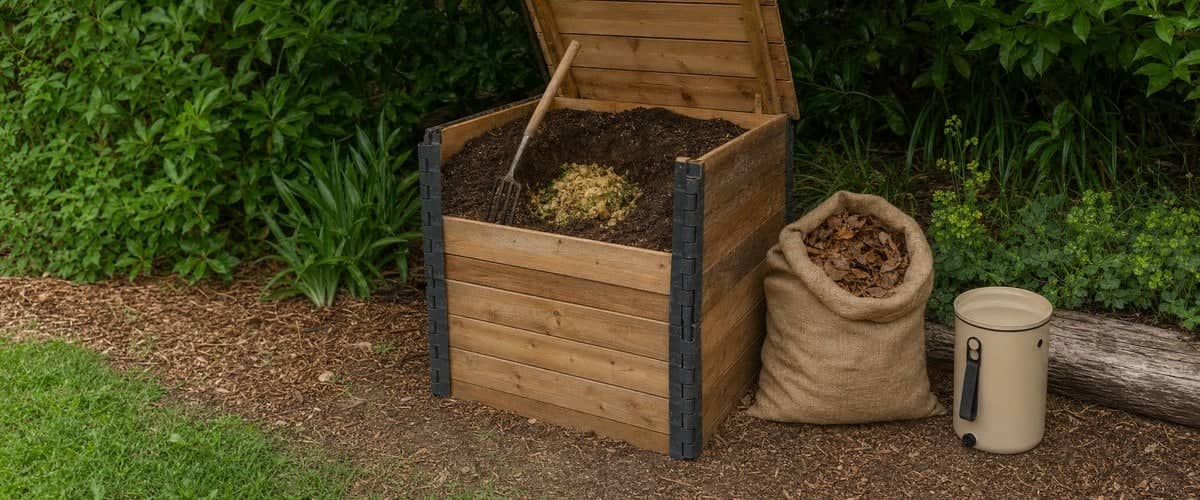
Do you have a compost bin in the backyard and a bokashi bucket in the kitchen? That's a great combination. The bucket takes almost all your leftovers, meat and fish included, and the compost bin finishes the job. The fermented contents break down there in about a month, along with everything else in the bin.
The key is adding it properly. A bucket dumped onto the pile in one lump stays acidic and wet, and it can slow down the whole compost. Here's how to make bokashi a valuable addition to your compost bin.
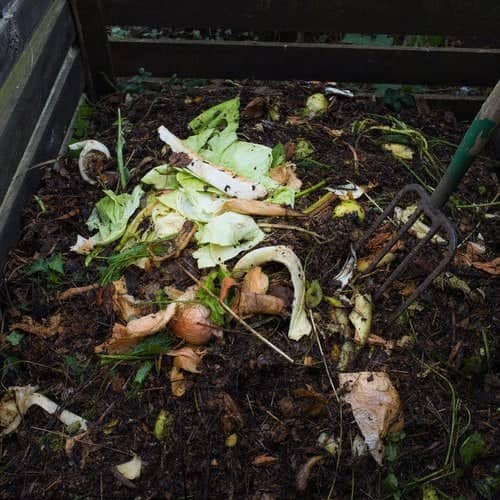 In a compost bin, you balance moist, nitrogen-rich materials (the "greens") with dry, carbon-rich materials (the "browns"). Fermented bokashi is clearly a green. It is moist and rich in nitrogen and in matter that breaks down easily. So, like vegetable peels, it needs a generous dose of browns: fall leaves, wood chips, brown cardboard, and straw. If this idea is new to you, our guide Green and brown materials explains everything.
What sets bokashi apart is its acidity. Compost gets off to a poor start in an overly acidic environment, but it easily digests an acidic addition that is buried in material that is already active. That's where the three rules below come from: spread, mix, and cover.
Did you know?The acidity of food scraps is a well-known problem at composting facilities. In trials, a mix that stayed below pH 6 did not heat up and almost stopped decomposing. The fix turned out to be very simple: add enough active compost, whose microorganisms consume the acids and raise the pH.
 Dig a hollow in the center of the pile or bin, where the material is most active.
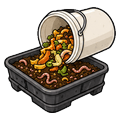 Empty the bucket and spread out the contents rather than leaving them in a single compact lump.
 Mix it in with a garden fork, along with partly decomposed compost and one or two shovelfuls of soil.
 Add browns, at least the same volume as the bokashi.
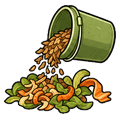 Cover everything with a thick layer of browns or compost, about 8 in (20 cm) deep.
Unlike the bucket, which you never stir, the compost bin needs air. Once the bokashi is in, manage the pile as usual and turn it regularly.
Emy's tipKeep a bag of fall leaves or wood chips next to the compost bin, set aside for the days you empty the bucket. Add a good armful per bucket, and you'll never be caught off guard.
When it's well covered, bokashi keeps a low profile. If it's left on the surface, it gives off a sour smell that can attract flies, neighborhood cats, foxes, and sometimes rodents, especially if it contains meat or fish. That's why a closed compost bin with a lid is better than an open pile. If you've already had unwelcome visitors, lay fine wire mesh under the bin and always bury the bokashi deep in the material. Bokashi does not repel animals. What keeps them away is how well it is covered. Our guide Pests in the compost bin covers best practices in detail.
In a compost bin that is working well and already full of decomposing material, the acidity of a bucket of bokashi is absorbed without any trouble. If your compost bin is small or just getting started, you can give it a little help:
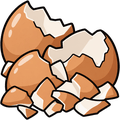 a handful of crushed eggshells or crushed shellfish shells;
 a small amount of a gentle liming material, such as dolomite or agricultural lime.
Avoid quicklime and hydrated lime. They are too caustic and slow down the microorganisms you need. Don't add lime every time, either: a well-balanced compost regulates itself.
In an active compost bin, bokashi is one of the fastest materials to disappear. Allow about a month until you can no longer recognize it. The compost itself, however, follows its own pace. It generally takes several months to get finished compost, depending on the season, the size of the pile, and how carefully you manage additions and turning. The stages of this process are described in our guide The phases of composting.
Bokashi doesn't dramatically shorten these timelines, and we'd rather not promise you compost that is "twice as fast." Its real benefit lies elsewhere. It lets you put leftovers in the compost bin that you would otherwise have thrown away, such as meat, fish, dairy, and cooked dishes, and fermentation has already stabilized them. To learn about spraying effective microorganisms directly onto the pile, see our EM guide article Speeding up your compost with EM.
The compost bin is a good option when the ground is frozen or too soggy to dig. Bokashi breaks down more slowly in cold weather, but it stays protected under the browns, and the process picks up again in spring. A closed compost bin, such as the Compostys wooden composter, also protects it from rain and animals.
If you empty several buckets at the same time, for example after a vacation or at the end of winter, spread them throughout the pile rather than putting them all in one spot, and double the amount of browns. For very large volumes, burying the bokashi in a trench in the vegetable garden is often easier. See our guide Burying your bokashi in the garden.
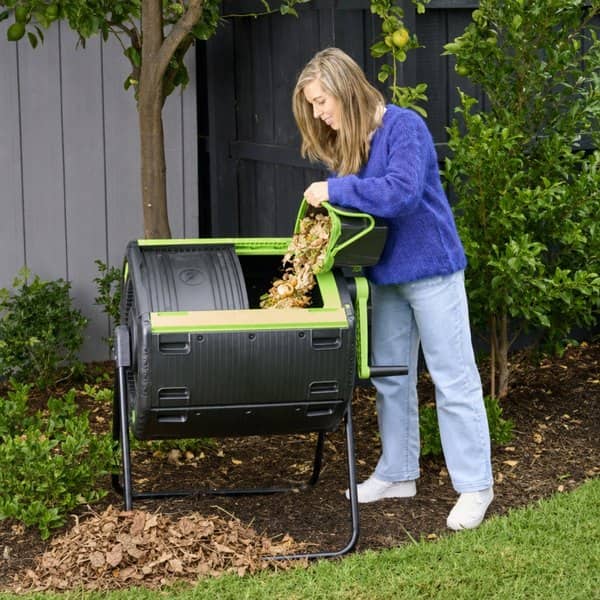
In a compost tumbler, add the bokashi to the compartment you are currently filling, along with a good handful of dry material. Turning the drum mixes everything thoroughly, and the leftovers, which are already fermented, break down well.
Before you empty your bucket into a neighborhood or apartment building compost bin, ask the site coordinator for permission. Many community composting sites don't allow meat and fish, even when fermented, because they attract pests. If yours accepts bokashi, follow the same rules as at home: put it in the center, mix it in, and cover it well.
Key takeawaysIn the compost bin, bokashi is a green. Spread it in the center of the pile, mix it with active compost, add at least the same amount of browns, and cover it well.
A backyard compost bin is a great place for fermented bokashi. Treat it as a green that is acidic and moist. Spread it in the center of the pile, mix it with very active compost, add at least the same amount of browns, and cover it carefully. It disappears in about a month. It won't dramatically shorten the time your compost takes to mature, but it lets you compost all your leftovers. If you're unsure about acidity, a few crushed shells are all you need.
Scan the code or visit mouttafarm.com/guide: all our how-to guides, with links to the products mentioned.



 France
 Belgium
 Switzerland
 Germany
 Austria
 United Kingdom
 Italy
 Spain
 Holland
 Portugal
 Ireland
 Sweden
 Finland
 Denmark
 Greece
 Poland
 Rumania
 Czech Republic
