










Best Seller
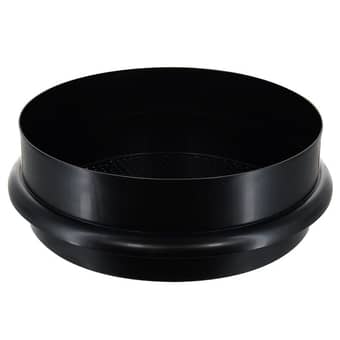
Tray for WORMbox
Add a level, compost more
$13.01 €11.58


- +10
Fast and odor-free, composting worms eat your food scraps and turn them into fertilizer for your plants.

From 2 to 4 trays, with an optional planter.

Up to 18 growing areas around a central worm composter.

Terracotta, with a flower pot.

From 2 to 4 trays, with a lower shelf.

Trays you add over time for easy vermicompost harvesting.

Turn your planters and flower beds into a worm composter: WORMacotta, In-Ground.
From kitchen to garden, composting becomes simple, fast, and effective for everyone.
Live animals (worms and bait) and products to feed and care for pets and livestock.

Eisenia composting worms for your worm composter or compost bin.

Ultra-fresh worms: red worms, Dendros, and Canadian nightcrawlers from 3.5 oz (100 g) to 2.2 lb (1 kg).

Natural solutions dedicated to the well-being of horses, ponies, and donkeys.

Optimize the health and performance of your farm.

Mealworms: natural, nutritious supplements.
Beautify your home with our decorative pieces and care for your house in a natural, sustainable way.
Garden the eco-friendly way, in harmony with nature, for healthy, long-lasting plants.
EM-based products designed to enrich soil, protect plants, support animal health, and make everyday well-being and home care easier.

Contains a blend of 80 families of beneficial microorganisms.

Revitalize, purify, and improve water quality in all your applications.

Stimulate soil microbial activity and plant growth.

Clean and care for your surroundings naturally.

For the well-being and health of pets, livestock, and horses.

Enrich your body care and dietary routines with essential enzymes.
Trays, lids, spigots… to make your worm composter last.
To keep your worm composter working efficiently for years to come, it's essential to be able to easily replace any worn or damaged parts. We offer a wide range of replacement parts: individual trays, leachate tray, spigot, wheel, lid, and much more.
Is your family growing? Add a new tray to your worm bin and recycle even more food scraps!
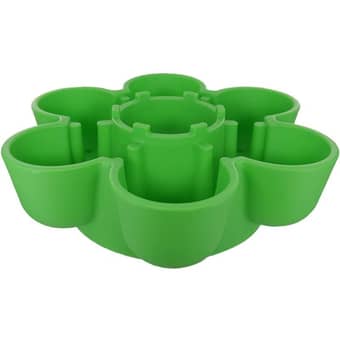


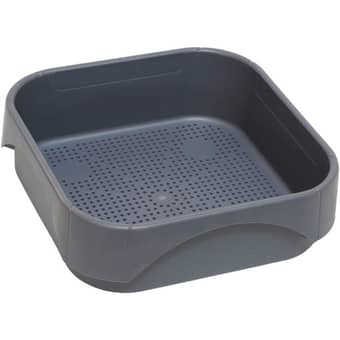
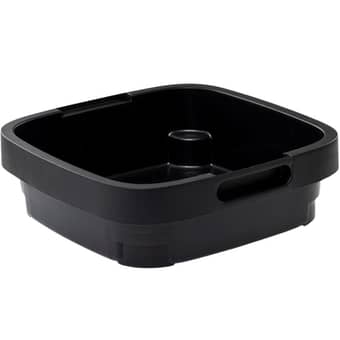
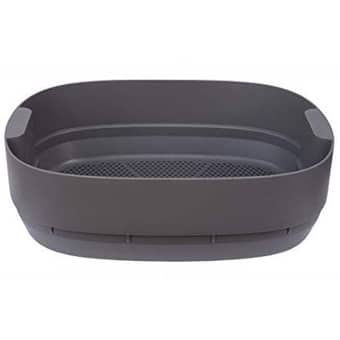


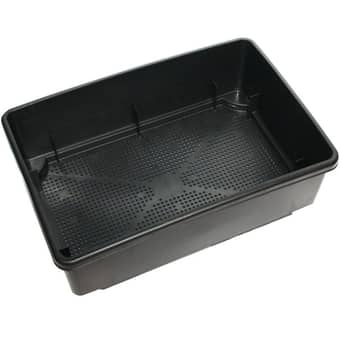
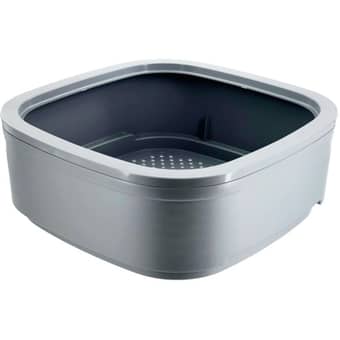

Each part is designed to fit your model perfectly, so you can keep vermicomposting at its best without having to replace the entire system. Because our replacement parts are always available, you can extend the lifespan of your worm composter and keep turning your organic waste into rich, nutritious vermicompost.
Practical and easy to install, our replacement parts keep your worm composter functional and efficient, year after year. Give your worm bin the longevity it deserves and support sustainable, eco-friendly vermicomposting.
 Daily care
Hemp mat, RegulaWorm, WormFood, WORMboost, mini mixing rake, leachate tray... This guide covers the most useful accessories for caring for your worm composter, grouped by need. It also includes an all-in-one pack that helps you get off to a great start without placing multiple orders.
 Choosing your model
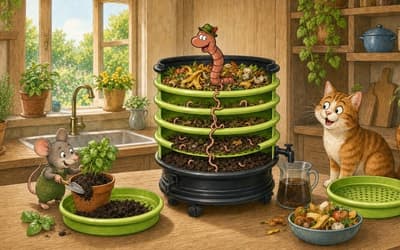
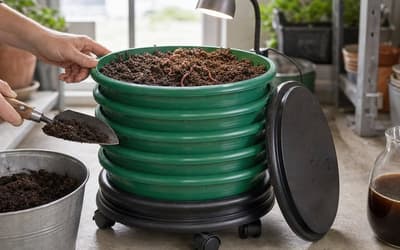
The tray worm composter is the most common model for beginners. It has several stacked trays, and the worms gradually move upward in search of fresh food, leaving mature compost behind. This guide explains how it works, how often to rotate trays, its advantages, and the few things to keep an eye on day to day.
 Daily care
After a few months, your worm composter produces two distinct fertilizers: vermicompost, a solid material rich in humus, and compost tea, a liquid fertilizer that needs to be diluted. This guide covers the signs that it's time to harvest, the tray rotation technique step by step, and the right amounts to use so these two fertilizers feed your plants without burning them.

 France
 Belgium
 Switzerland
 Germany
 United Kingdom
 Italy
 Spain
 Holland
 Portugal
 Ireland
 Sweden
 Finland
 Denmark
 Greece
 Poland
 Rumania
 Czech Republic
