










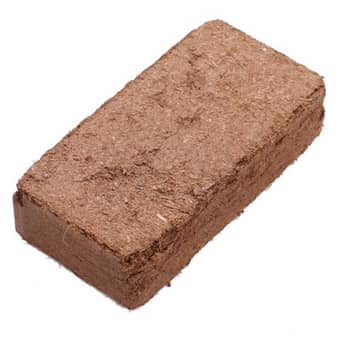
Coco fiber block 9L
4,9(18)
Additive-free substrate for gardening or animals, sold individually or in a pack of 9
$2.97 €2.64
Fast and odor-free, composting worms eat your food scraps and turn them into fertilizer for your plants.

From 2 to 4 trays, with an optional planter.

Up to 18 growing areas around a central worm composter.

Terracotta, with a flower pot.

From 2 to 4 trays, with a lower shelf.

Trays you add over time for easy vermicompost harvesting.

Turn your planters and flower beds into a worm composter: WORMacotta, In-Ground.
From kitchen to garden, composting becomes simple, fast, and effective for everyone.
Live animals (worms and bait) and products to feed and care for pets and livestock.

Eisenia composting worms for your worm composter or compost bin.

Ultra-fresh worms: red worms, Dendros, and Canadian nightcrawlers from 3.5 oz (100 g) to 2.2 lb (1 kg).

Natural solutions dedicated to the well-being of horses, ponies, and donkeys.

Optimize the health and performance of your farm.

Mealworms: natural, nutritious supplements.
Beautify your home with our decorative pieces and care for your house in a natural, sustainable way.
Garden the eco-friendly way, in harmony with nature, for healthy, long-lasting plants.
EM-based products designed to enrich soil, protect plants, support animal health, and make everyday well-being and home care easier.

Contains a blend of 80 families of beneficial microorganisms.

Revitalize, purify, and improve water quality in all your applications.

Stimulate soil microbial activity and plant growth.

Clean and care for your surroundings naturally.

For the well-being and health of pets, livestock, and horses.

Enrich your body care and dietary routines with essential enzymes.
The right start for your worms: bedding and starter substrates.
The starter and supplemental substrate is designed to make it easier to start your worm composter and ensure a healthy environment for your composting worms.
Used right from setup, it lets you welcome your worms into a 100% natural substrate, free of chemicals. Many commercial potting soils, by contrast, contain substances that can disturb worms or drive them away.
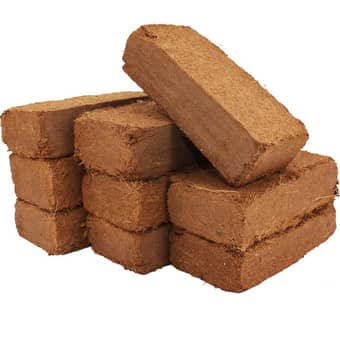
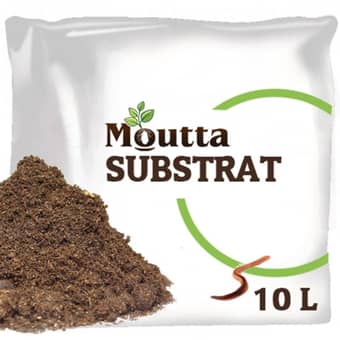
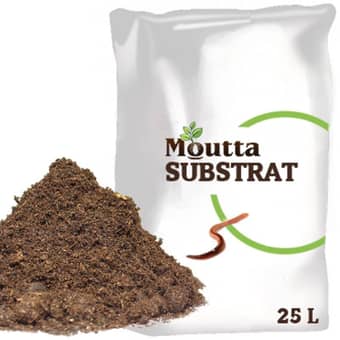
This substrate can also be used as a carbon-rich addition every time you add organic waste. It replaces cardboard or shredded paper: for every volume of scraps you add, simply add the same volume of substrate to keep your worm bin well balanced.
Thanks to its specific composition, it helps produce high-quality finished vermicompost that is lighter and airier than what you get with conventional carbon-rich materials.
This supplemental substrate is a great ally for efficient, stable, and sustainable composting, and it keeps your worms comfortable and active.
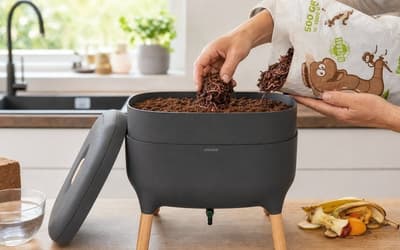 Getting started
Getting a worm composter off to a good start takes a little care. The right location, properly prepared bedding, and a first week without adding any food scraps set the tone for everything that follows. This guide walks you through each step of the setup, from settling in your worms to the role of the moisture mat. It also covers the most common beginner mistake: overfeeding your worm bin.
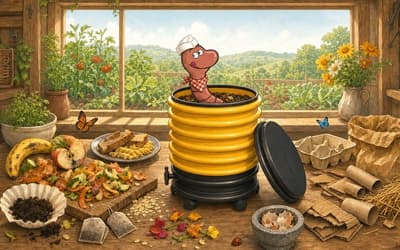 Daily care
Composting worms will eat a wide variety of scraps, but not just anything. Some foods help their digestion and reproduction, while others can throw the bin off balance or cause bad smells. This guide explains what worms love, what to avoid, a few good habits, and the essential role of carbon-rich materials.
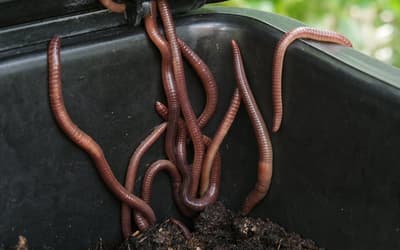 Solving a problem
Eisenia worms normally have no tendency to escape, but it can happen in the first few days or when their environment is out of balance. This guide covers all the possible causes (noise, chlorinated water, forbidden foods, heat, moisture, or acidity) and the simple solution to make them stay.

 France
 Belgium
 Switzerland
 Germany
 United Kingdom
 Italy
 Spain
 Holland
 Portugal
 Ireland
 Sweden
 Finland
 Denmark
 Greece
 Poland
 Rumania
 Czech Republic
