










Preorder
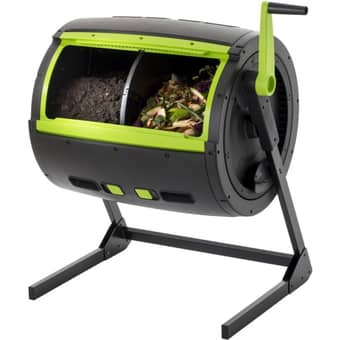
245L Maze Rotating Composter with Dual Chambers
4,6(26)
Effortless outdoor composting
$233.11 €207.50
Fast and odor-free, composting worms eat your food scraps and turn them into fertilizer for your plants.

From 2 to 4 trays, with an optional planter.

Up to 18 growing areas around a central worm composter.

Terracotta, with a flower pot.

From 2 to 4 trays, with a lower shelf.

Trays you add over time for easy vermicompost harvesting.

Turn your planters and flower beds into a worm composter: WORMacotta, In-Ground.
From kitchen to garden, composting becomes simple, fast, and effective for everyone.
Live animals (worms and bait) and products to feed and care for pets and livestock.

Eisenia composting worms for your worm composter or compost bin.

Ultra-fresh worms: red worms, Dendros, and Canadian nightcrawlers from 3.5 oz (100 g) to 2.2 lb (1 kg).

Natural solutions dedicated to the well-being of horses, ponies, and donkeys.

Optimize the health and performance of your farm.

Mealworms: natural, nutritious supplements.
Beautify your home with our decorative pieces and care for your house in a natural, sustainable way.
Garden the eco-friendly way, in harmony with nature, for healthy, long-lasting plants.
EM-based products designed to enrich soil, protect plants, support animal health, and make everyday well-being and home care easier.

Contains a blend of 80 families of beneficial microorganisms.

Revitalize, purify, and improve water quality in all your applications.

Stimulate soil microbial activity and plant growth.

Clean and care for your surroundings naturally.

For the well-being and health of pets, livestock, and horses.

Enrich your body care and dietary routines with essential enzymes.
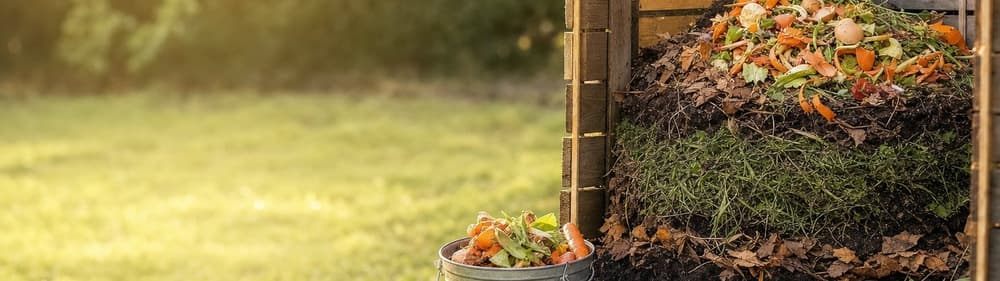
From kitchen to garden, composting becomes simple, fast, and effective for everyone.
Composting is one of the simplest and most effective ways to reduce your waste while producing a high-quality natural soil amendment for your plants or garden. Whether you compost in an apartment, on a balcony, or in your yard, there are now solutions suited to every lifestyle and every volume of waste.
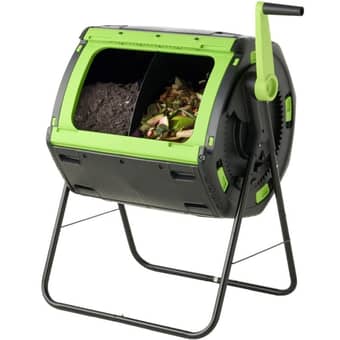
Outdoor rotating composters make composting fast, clean, and effortless. Thanks to their drum design, aeration is optimal and materials break down much faster than in a traditional composter. Ideal for yards and gardens, they allow aerobic composting with no odors and no pests.
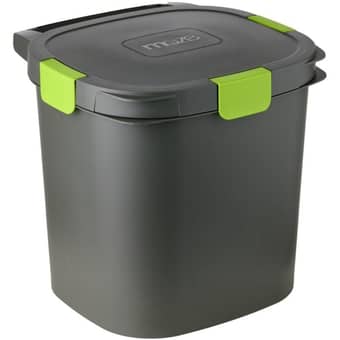
Bokashi is the perfect solution for indoor composting. Based on fermentation, it accepts almost all food scraps, even cooked food, meat, and fish. Compact, clean, and discreet, it turns scraps into rich fermented material, ready to be put to use in the garden, in a compost pile, or in a worm composter.
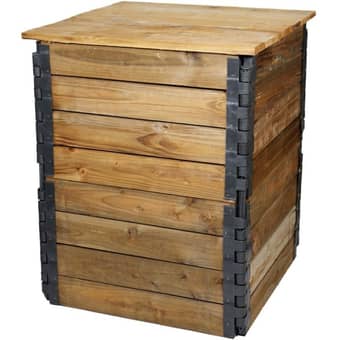
Wooden composters stand out for their natural look and the way they blend seamlessly into your yard. Sturdy and breathable, they promote gradual, eco-friendly decomposition while offering generous capacity for food scraps and yard waste.
To get the most out of every composting method, compost accelerators play a key role. Biological activators, specialized blends, and mixing tools jump-start microbial activity, balance your compost, and shorten maturation time, all while keeping odors to a minimum.
Whichever solution you choose, composting becomes a simple, effective, and eco-friendly way to turn your organic waste into a valuable resource for your soil and garden.
 Choosing your model
Torn between a worm composter and a traditional backyard compost pile? This guide compares the two based on your home, how much waste you need to process, how quickly it breaks down, and what you end up with (compost, vermicompost, worm tea). It gives you everything you need to make an informed choice about the method that best fits your daily life, whether you live in an apartment or a house with a yard.
 Getting started
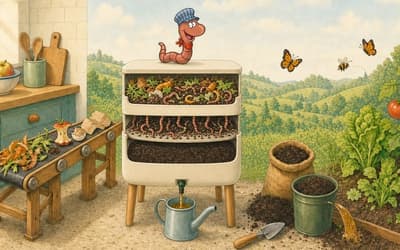
A worm composter is a mini recycling plant that uses composting worms to turn your food scraps into natural fertilizer, with no heat and no odor. This guide explains how it works, the role of the stacked trays, what you get from it (vermicompost and worm tea), and why this compact system suits an apartment just as well as a house.
 Going further
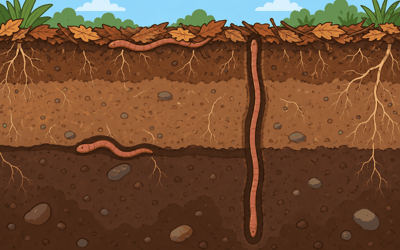
Earthworms play a quiet but essential role in soil health: they aerate it, enrich it with humus, and support underground biodiversity. This guide presents the three ecological groups of worms (epigeic, endogeic, and anecic) and explains why only composting worms, such as Eisenia, are suited to life in a worm composter.

 France
 Belgium
 Switzerland
 Germany
 United Kingdom
 Italy
 Spain
 Holland
 Portugal
 Ireland
 Sweden
 Finland
 Denmark
 Greece
 Poland
 Rumania
 Czech Republic
