












Best Seller
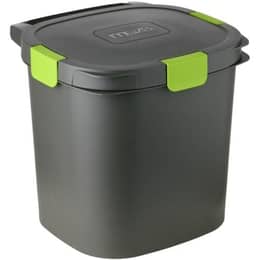
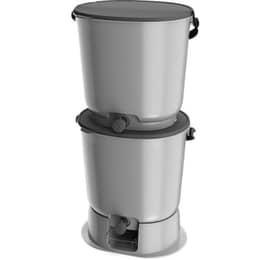
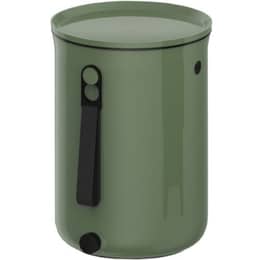
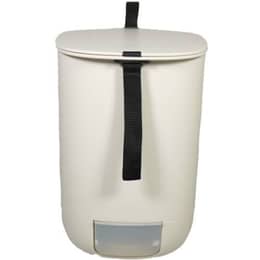
Bokashi Composter Confort
3.7-gallon (14-liter) capacity, sold individually or as a set of 2
$45.59 €40.83
Fast and odor-free, composting worms eat your food scraps and turn them into fertilizer for your plants.

From 2 to 4 trays, with an optional planter.

Up to 18 growing areas around a central worm composter.

Terracotta, with a flower pot.

From 2 to 4 trays, with a lower shelf.

Trays you add over time for easy vermicompost harvesting.

Turn your planters and flower beds into a worm composter: WORMacotta, In-Ground.
 Practical guide

From kitchen to garden, composting becomes simple, fast, and effective for everyone.
 Practical guide
 Practical guide
Live animals (worms and bait) and products to feed and care for pets and livestock.

Eisenia composting worms for your worm composter or compost bin.

Ultra-fresh worms: red worms, Dendros, and Canadian nightcrawlers from 3.5 oz (100 g) to 2.2 lb (1 kg).

Natural solutions dedicated to the well-being of horses, ponies, and donkeys.

Optimize the health and performance of your farm.

Mealworms: natural, nutritious supplements.
Beautify your home with our decorative pieces and care for your house in a natural, sustainable way.
Garden the eco-friendly way, in harmony with nature, for healthy, long-lasting plants.
EM-based products designed to enrich soil, protect plants, support animal health, and make everyday well-being and home care easier.

Contains a blend of 80 families of beneficial microorganisms.

Revitalize, purify, and improve water quality in all your applications.

Stimulate soil microbial activity and plant growth.

Clean and care for your surroundings naturally.

For the well-being and health of pets, livestock, and horses.

Enrich your body care and dietary routines with essential enzymes.
 Practical guidePractical guide

Your bucket fermented well, you buried it in the yard… and something isn't right. Maybe there's a hole scratched out overnight, food scraps still whole a month later, a smell that won't go away, or plants turning yellow next to the burial spot. These situations are common and almost always easy to fix.
Most of them come down to three factors: depth, mixing with the soil, and the time you give the soil to do its work. Here's how to recognize each problem and fix it. Along the way, we'll go over what we really know about animals and bokashi, and what we don't.
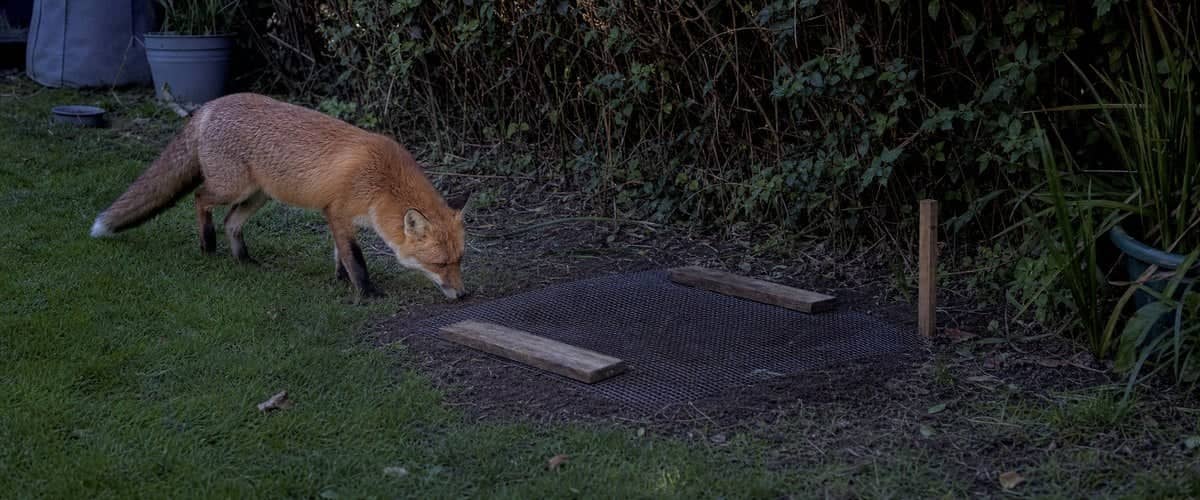
Dogs, cats, foxes, badgers, crows, and magpies all love scratching at freshly turned soil, and bokashi keeps a smell of fermented food for a few days. When an animal digs it up, the bokashi was almost always too close to the surface, dumped in a single lump, or not covered well enough.
 Bury it 8–12 in (20–30 cm) deep, never just a few inches below the surface.
 Mix it with 2 or 3 times its volume of soil instead of dumping the bucket out in a pile. The smell dissipates faster that way.
 Fill the hole in completely so nothing is visible, tamp it down with your foot, and cover it with leaves or mulch.
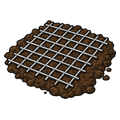 Protect the area for the first two weeks. A piece of wire mesh, an old board, a paving stone, or a heavy row cover laid flat is often enough to discourage even the most curious visitors.
If an animal has already dug, gather up the scattered pieces, put them back at the bottom of the hole with a little soil, mix, fill in, and protect the spot. The whole method is explained in our guide Burying bokashi in the garden.
Emy's tipIf you have a dog that digs, bury your bokashi in a part of the yard it can't get to, or cover the area with wire mesh while the material breaks down. Freshly buried bokashi contains leftovers, sometimes bones, onion, or chocolate, and it's best not to let your dog eat them.
You'll often read that rats aren't interested in bokashi. The reality is more nuanced. As far as we know, there are no studies on the subject. The idea rests on plausible reasoning: well-fermented bokashi is acidic and smells sour rather than like rotting food, so it's probably less appealing than a pile of leftovers. But experienced users will tell you that a hungry rodent may well take an interest in it.
Our position: well-fermented bokashi that is properly buried and thoroughly mixed with soil is less attractive, nothing more. If you know there are rats in your neighborhood or yard:
bury it at least 12 in (30 cm) deep, and deeper if your soil allows. Experienced users go down to 16–20 in (40–50 cm) in areas with rodents, and for raw food scraps, trench composting guides recommend 12–18 in (30–45 cm) of soil on top; never bury a bucket that failed to ferment properly;lay fine wire mesh over the area for the first few weeks;
 avoid spots near a known rodent hiding place (woodpile, dense hedge, shed);
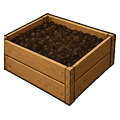 or finish the breakdown in a closed container, such as a large bin of soil with a lid (see the guide No yard? What to do with your bokashi) or a compost tumbler.
To learn more about rodents in the yard, our composting guide has a dedicated page: compost bin pests.
Did you know?Bokashi is not a repellent. Fermentation, followed by careful burying, is what makes it less appealing than food scraps left out in the open. A failed bucket that smells rotten, on the other hand, is just as attractive as a trash can.
First of all, don't worry: it's normal to find a few hard pieces. Bones, fruit pits, corn cobs, eggshells, thick citrus peels, and cabbage stalks take much longer than everything else. Bones in particular can take months or even longer. Crush or break them up if you come across them, then bury them again. They won't get in the way of your planting.
If, however, almost everything is still recognizable after a month, something has slowed the breakdown. The usual causes:
 Cold soil: in summer, two to three weeks is often enough. In spring and fall, in cool soil, allow up to six weeks, sometimes more. In the dead of winter, almost nothing happens until the weather warms up.
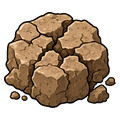 Compacted or heavy clay soil, or at the other extreme, poor sandy soil: soil life is less active, or air doesn't circulate well.
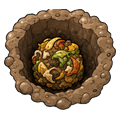 A compact lump left at the bottom of a hole without being mixed with soil.
 Too much bokashi in one place, or bucket after bucket always buried in the same hole.
To get things going again, reopen the area and chop up the contents with a spade while mixing them with fresh soil. If you can, add a shovelful or two of finished compost or dead leaves, then fill the hole back in. In spring, a dark tarp or row cover laid down for a few weeks warms the soil and speeds things up. For your next buckets, spread them out over several spots.
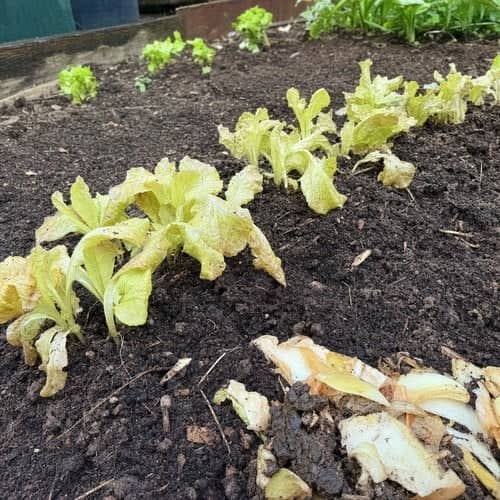 Fresh bokashi is very acidic and rich in salts and ammonium. Until the soil has broken it down, it can damage any roots that touch it. When plants turn yellow or wilt, or seeds fail to come up above a burial spot, the cause is almost always one of these:
 Planting too soon: less than two weeks after burying, or even sooner in cold soil;Bokashi that is too concentrated, mixed with little or no soil;
 Roots in direct contact, because the bokashi was buried right at the base of an established plant;
 Bokashi juice used undiluted or not diluted enough. The juice must always be diluted, at least 1 part to 100, and poured on the soil, never on the leaves. See the guide Bokashi juice.
What should you do? For a plant in the ground, water as usual without adding anything else, and give the soil time. The acidity usually disappears within a few weeks. For seeds, sow again nearby or wait another two to three weeks. For a potted plant, repot it in fresh potting mix, and let the bokashi mix rest a while longer before reusing it.
Key takeawaysWait at least two weeks, ideally three or four, and longer in cold soil or in pots. Always mix bokashi thoroughly with 2 or 3 times its volume of soil, and never let it touch roots directly.
Well-fermented, properly buried bokashi barely smells at the surface after a few hours. In the soil, its sour smell should fade within one to two weeks, which is a good sign that the area is ready. If the smell lingers, or if the soil smells rotten:
Reopen the area, add soil, spread and mix the contents over a larger area, then fill it back in. In well-aerated soil that isn't waterlogged, the smell goes away quickly.
 Only bury buckets that smell sour, after at least two weeks of fermentation.Dig 8–12 in (20–30 cm) deep, about 12 in (30 cm) away from roots.Mix the bokashi with 2 or 3 times its volume of soil, and never leave it in a lump.Fill in the hole completely, then cover and protect the area if animals are around.
 Choose a different spot for each bucket.
 Wait at least two weeks before planting, and longer when the soil is cold.
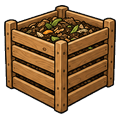 If your yard isn't suitable, finish the breakdown in a composter well covered with brown materials. See the guide Bokashi and garden compost.
Most problems after burying have a simple cause. An animal digging means the bokashi is too shallow or poorly covered: bury it 8–12 in (20–30 cm) deep, mix it in, and protect the area for two weeks. As for rats, well-fermented bokashi is less attractive but not rat-proof, so use fine wire mesh or a closed container in high-risk areas. Scraps still intact after a month point to cold or compacted soil, or a lump that wasn't mixed in well. Plants that struggle were almost always planted too soon or too close to concentrated bokashi. With a little patience and good mixing with the soil, everything gets back on track.
Scan the code or visit mouttafarm.com/guide: all our how-to guides, with links to the products mentioned.



 France
 Belgium
 Switzerland
 Germany
 Austria
 United Kingdom
 Italy
 Spain
 Holland
 Portugal
 Ireland
 Sweden
 Finland
 Denmark
 Greece
 Poland
 Rumania
 Czech Republic
