












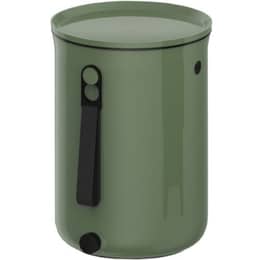
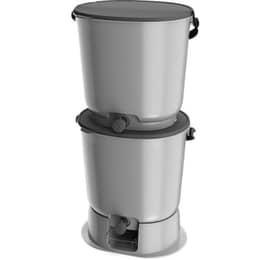
Bokashi Composter Skaza Organko 2
2.5-gallon (9.6 L) capacity, sold individually or as a set of 2
$75.35 €67.49
Fast and odor-free, composting worms eat your food scraps and turn them into fertilizer for your plants.

From 2 to 4 trays, with an optional planter.

Up to 18 growing areas around a central worm composter.

Terracotta, with a flower pot.

From 2 to 4 trays, with a lower shelf.

Trays you add over time for easy vermicompost harvesting.

Turn your planters and flower beds into a worm composter: WORMacotta, In-Ground.
 Practical guide

From kitchen to garden, composting becomes simple, fast, and effective for everyone.
 Practical guide
 Practical guide
Live animals (worms and bait) and products to feed and care for pets and livestock.

Eisenia composting worms for your worm composter or compost bin.

Ultra-fresh worms: red worms, Dendros, and Canadian nightcrawlers from 3.5 oz (100 g) to 2.2 lb (1 kg).

Natural solutions dedicated to the well-being of horses, ponies, and donkeys.

Optimize the health and performance of your farm.

Mealworms: natural, nutritious supplements.
Beautify your home with our decorative pieces and care for your house in a natural, sustainable way.
Garden the eco-friendly way, in harmony with nature, for healthy, long-lasting plants.
EM-based products designed to enrich soil, protect plants, support animal health, and make everyday well-being and home care easier.

Contains a blend of 80 families of beneficial microorganisms.

Revitalize, purify, and improve water quality in all your applications.

Stimulate soil microbial activity and plant growth.

Clean and care for your surroundings naturally.

For the well-being and health of pets, livestock, and horses.

Enrich your body care and dietary routines with essential enzymes.
 Practical guidePractical guide

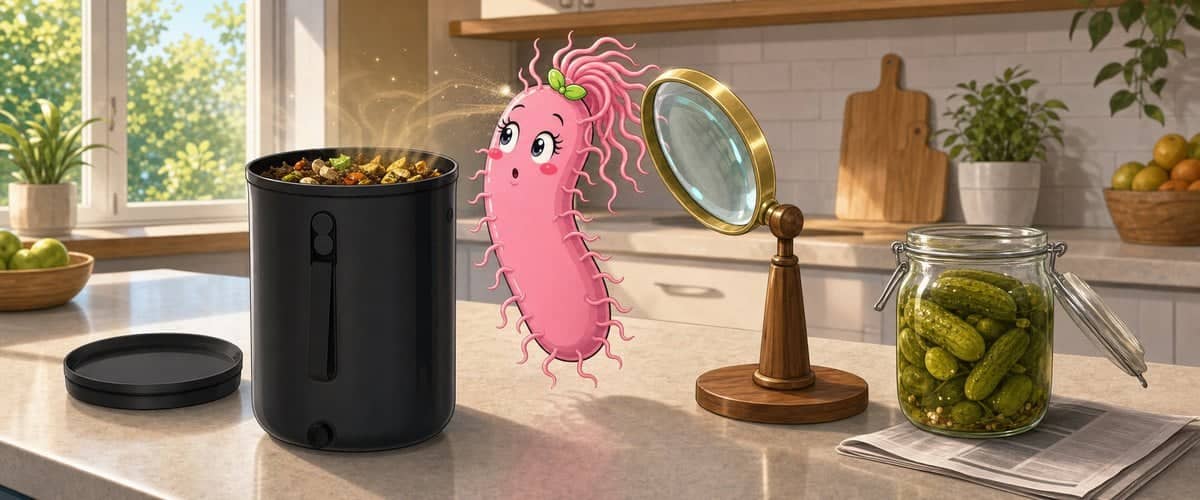
A bokashi that's working well goes unnoticed. With the lid closed, it barely smells at all in the kitchen, and when you open it, it gives off a sour smell, a bit like a jar of pickles. If the smell turns truly unpleasant, the bucket is overflowing with liquid, or fruit flies are buzzing around it, something has gone off track.
The good news is that the causes are almost always the same: air, moisture, and the amount of bran. Nothing is lost as long as you act quickly. Here's how to make the right diagnosis, symptom by symptom.
The first step is knowing what's normal. A healthy bokashi smells:
 sour, like vinegar, pickles, or sauerkraut;
 sometimes like cider or beer, or with a slight alcoholic note;
 fairly strong when you open it, especially when you drain the liquid, which always smells stronger than the contents.
An abnormal smell, on the other hand, is unmistakable: rotten eggs, spoiled meat, rotting cabbage, sewage, or a sharp ammonia smell. It means the scraps are starting to rot instead of ferment.
Did you know?Even a bucket that has developed an unpleasant smell can almost always be saved. As long as colored mold hasn't taken over the surface, a few simple steps are enough to restart lactic acid fermentation.
 Too much air: lid not properly closed, dirty or damaged seal, spigot left open, opening the bucket too often, scraps not pressed down enough.
 Too little bran: a single uncovered layer is enough to let putrefaction take hold.
 Too much moisture: this is the most common cause. Soggy contents smell bad.
 Stagnant liquid: left too long at the bottom of the bucket, it eventually goes bad.
 Too much heat: direct sunlight, or being too close to an oven or heater.
 Lots of protein at once: an ammonia smell often appears when you add a large amount of meat, fish, or cheese without increasing the amount of bran.Sprinkle a good handful of bran over the entire surface.
 Press down firmly. Never stir the contents: you'd let air in and make the smell worse.Drain the liquid every day for a few days.
 Check the lid seal and clean the rim.
 For your next additions, cut the scraps smaller and be more generous with the bran.
If green, blue, or black mold comes with the smell, follow our guide Mold in bokashi instead. It explains when a bucket can be saved and when it's better to throw it out.
 The amount of liquid depends mainly on what you put in the bucket. Fruits and vegetables release a lot; bread, rice, and pasta very little. Contents that are sitting in liquid or turning slimy usually have one of these causes: soggy peels, leftovers in sauce or soup, liquid not drained often enough, or a clogged grate that no longer lets anything drain through.
Drain every day while the liquid is flowing freely, then every two or three days. Drain scraps before adding them: let washed peels and wet leftovers drain in the sink for a few minutes. No liquids in the bucket: no soup, no milk, no leftover sauce.
 Add something absorbent: a little more bran, torn-up non-glossy newspaper, a cardboard egg carton, brown cardboard, or a piece of stale bread. Avoid glossy paper and magazines.
 Unclog the drainage if the liquid no longer runs down: slide a long blade down the side of the bucket to the grate to reopen a channel, without turning over the contents.
A telltale sign: condensation under the lid. It means the contents are too wet, often even before any smell appears.
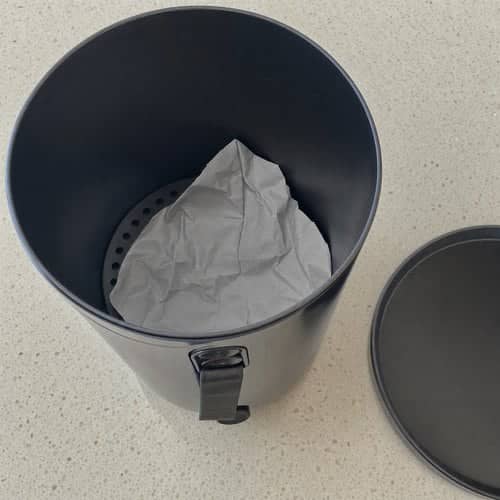
Emy's tipPut half a sheet of crumpled newspaper at the bottom of the bucket, on the grate, before the first layer. It soaks up excess liquid and keeps small pieces from clogging the holes.
On the other hand, a bucket that produces hardly any liquid is perfectly normal, especially in winter or with dry scraps. All the draining steps are explained in detail in the guide Looking after your bokashi.
Your bucket doesn't smell like anything, good or bad, and nothing seems to be happening? There are three possible causes:
 Bran that's too old or poorly stored, kept somewhere damp or left open too long. Good bran smells yeasty or sour; if it smells musty or doesn't smell like anything anymore, replace it. See the guide Bokashi bran.
 Cold temperatures: fermentation slows down considerably when it's cool. Move the bucket into a heated room, ideally between 64 and 77 °F (18–25 °C).Too little bran: increase the amount with each layer.
Then give it time: it often takes one to two weeks for the sour smell to become clearly established.
A properly closed bucket doesn't let insects in. If fruit flies show up, they've found a way in or were brought in with the scraps. These tiny vinegar flies are drawn to the smell of ripe fruit and fermentation, and they readily lay eggs on peels left out in the open.
Close the lid tightly and check the seal; clean the rim, where stuck-on bits of food attract insects.Cover each layer with bran right away, so no scraps are left exposed. Empty your small kitchen trash can often: that's what attracts fruit flies, far more than the bucket.
 Set a trap near the bucket: a small glass of apple cider vinegar with a drop of dish soap.
If you find larvae (maggots), flies laid eggs in the bucket while it was open or through a leak. Just a few larvae on the surface? Remove them, add bran, press down, and close the lid carefully. If there are a lot of them, bury all the contents deep in the yard, rinse the bucket, and start over.
A domed lid, or one that "puffs" when you open it, is nothing to worry about. Fermentation produces a little gas, especially with sugary scraps like fruit or bread. If the smell stays sour, open the lid briefly to let the gas out, close it again right away, and make sure the spigot isn't clogged. A lid under pressure is only a concern if it comes with a putrid smell.
If you also have a worm composter, keep in mind that its smells aren't handled the same way: our guide Bad smells in your worm bin will help you out.
Key takeawaysAlmost all bokashi problems come down to three things: too much air, too much water, or not enough bran. Pressing down, draining, and sprinkling bran generously solve the vast majority of cases.
To avoid trouble from the start, good bran makes all the difference: our Bokashi EM compost activator, made right here on the farm, keeps well in a dry place in a tightly closed container.
A healthy bokashi smells sour when you open it and like almost nothing with the lid closed. A putrid or ammonia smell points to air, too much moisture, stagnant liquid, or a lack of bran: add bran, press down without ever stirring, drain every day, and check the seal. For excess liquid, drain your scraps and add paper or cardboard. Fruit flies come mainly from the small kitchen trash can and a poorly closed lid, and a domed lid is just fermentation gas. In almost every case, the bucket can be saved.
Scan the code or visit mouttafarm.com/guide: all our how-to guides, with links to the products mentioned.




 France
 Belgium
 Switzerland
 Germany
 Austria
 United Kingdom
 Italy
 Spain
 Holland
 Portugal
 Ireland
 Sweden
 Finland
 Denmark
 Greece
 Poland
 Rumania
 Czech Republic
