











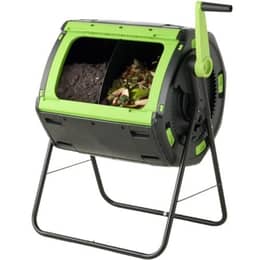
Maze 180L Dual-Chamber Rotating Composter
Effortless outdoor composting
$166.55 €149.17
Fast and odor-free, composting worms eat your food scraps and turn them into fertilizer for your plants.

From 2 to 4 trays, with an optional planter.

Up to 18 growing areas around a central worm composter.

Terracotta, with a flower pot.

From 2 to 4 trays, with a lower shelf.

Trays you add over time for easy vermicompost harvesting.

Turn your planters and flower beds into a worm composter: WORMacotta, In-Ground.
 Practical guide

From kitchen to garden, composting becomes simple, fast, and effective for everyone.
 Practical guide
 Practical guide
Live animals (worms and bait) and products to feed and care for pets and livestock.

Eisenia composting worms for your worm composter or compost bin.

Ultra-fresh worms: red worms, Dendros, and Canadian nightcrawlers from 3.5 oz (100 g) to 2.2 lb (1 kg).

Natural solutions dedicated to the well-being of horses, ponies, and donkeys.

Optimize the health and performance of your farm.

Mealworms: natural, nutritious supplements.
Beautify your home with our decorative pieces and care for your house in a natural, sustainable way.
Garden the eco-friendly way, in harmony with nature, for healthy, long-lasting plants.
EM-based products designed to enrich soil, protect plants, support animal health, and make everyday well-being and home care easier.

Contains a blend of 80 families of beneficial microorganisms.

Revitalize, purify, and improve water quality in all your applications.

Stimulate soil microbial activity and plant growth.

Clean and care for your surroundings naturally.

For the well-being and health of pets, livestock, and horses.

Enrich your body care and dietary routines with essential enzymes.
 Practical guidePractical guide

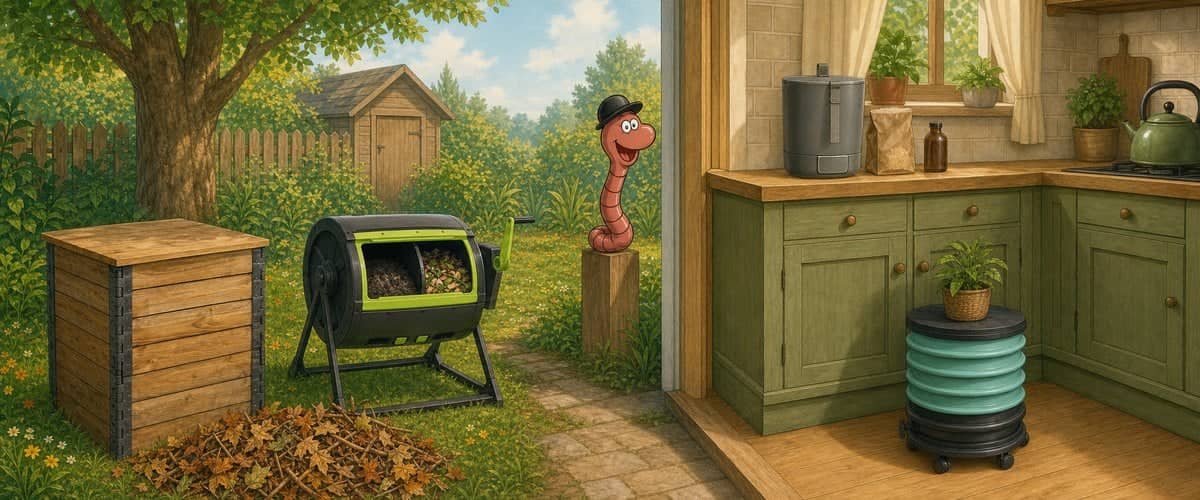
Backyard composter, worm composter, bokashi bucket, effective microorganisms: when you want to put your food scraps to good use, there's no shortage of options, and the names can be confusing. But they don't all do the same thing, and they aren't designed for the same households.
This guide will help you sort it all out in just a few minutes: how each method works, who it's right for, what it produces, and how to combine them. For a detailed head-to-head between a composter and a worm composter, see our guide Worm composter or traditional composter.
Behind these four names, there are really just two main processes.
Effective microorganisms, or EM, aren't a fifth method: they're microorganism preparations used to make bokashi activator or, as an extra boost, in a compost pile.
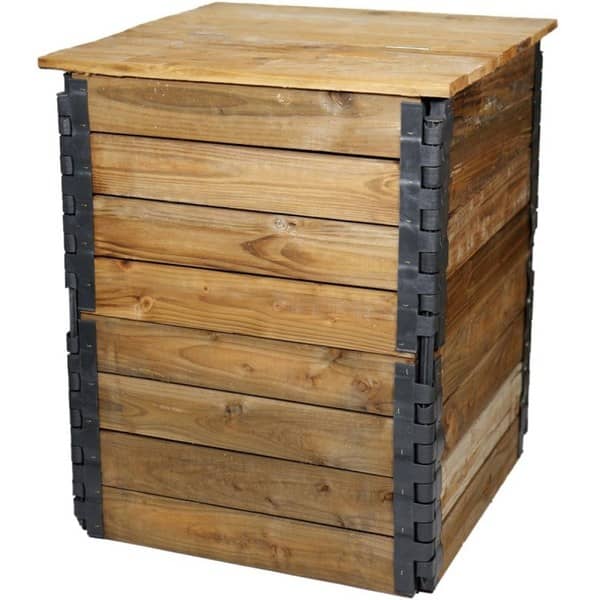
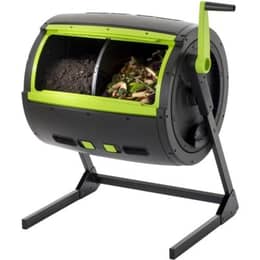
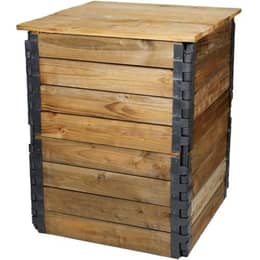
This is the go-to method as soon as you have a bit of yard. Whether in a pile, a wooden or plastic bin, or a compost tumbler, it takes both food scraps and a good share of yard waste: grass clippings, leaves, and shredded prunings. That's its big strength: no other method can handle as much volume.
On the other hand, it needs outdoor space, contact with the soil (except for tumblers), and time. It's a great fit for houses with a yard, families who cook a lot of fresh produce, and anyone who wants a soil amendment for their vegetable garden. We cover the different types of equipment in our guide Compost pile or compost bin, and the special case of the drum in our guide Compost tumbler.
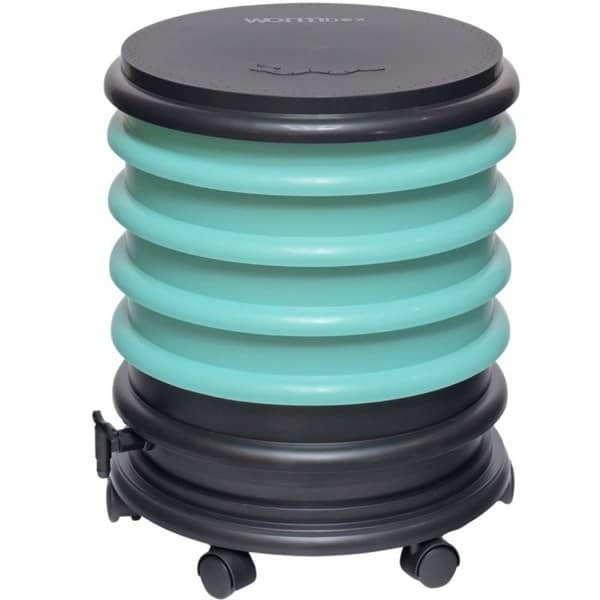
In a worm composter, composting worms (Eisenia, which are different from the earthworms in your yard) eat food scraps and produce very fine vermicompost as well as a liquid fertilizer. The process doesn't heat up and doesn't smell when properly managed, so you can set it up in a kitchen, a pantry, or on a balcony. In fact, it's the solution we recommend first and foremost to people living in apartments.
To give you a sense of scale, about 500 worms are estimated to digest roughly 3.5 oz (100 g) of scraps a day. A worm bin like our WORMbox worm composter is therefore a good fit for a household's food scraps, but not for grass clippings or branches. Worms also have their preferences: our guide explains how a worm composter works and what they'll eat.
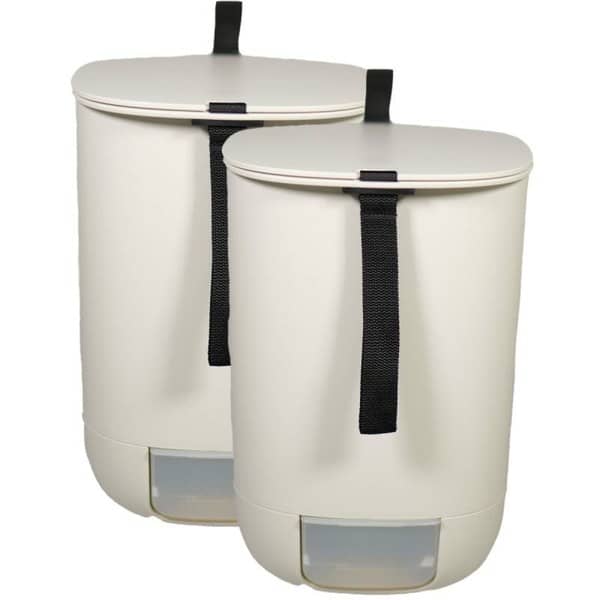
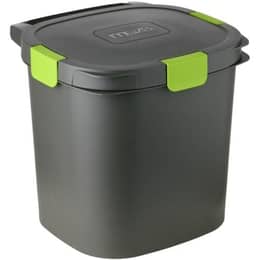
Bokashi is an airtight bucket where you pack down your food scraps, sprinkling each layer with fermented grain bran, such as our Bokashi EM compost activator. After a few weeks, the scraps have fermented, and along the way you collect a liquid that can be used diluted.
Its advantages: it fits under the sink, needs almost no maintenance, and accepts leftovers that backyard compost and worms don't handle well, such as small amounts of meat, fish, or dairy. Its limitation, which is important to understand: what comes out of the bucket isn't finished compost. You need to bury it in the soil, mix it into compost, or feed it gradually to worms so the transformation can be completed. It's all explained in our bokashi guide.
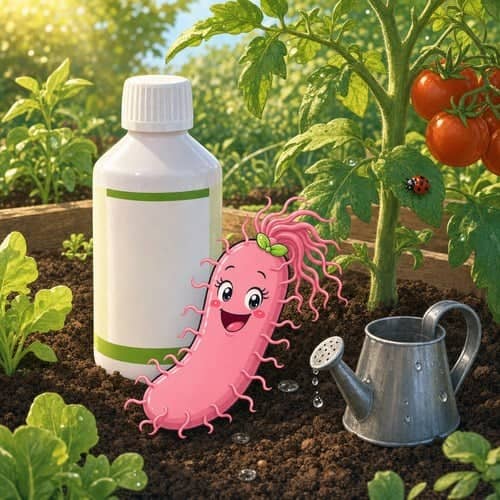 EM are blends of microorganisms sold in liquid form, such as the EM-1 stock solution. According to the manufacturers, they mainly combine lactic acid bacteria, yeasts, and photosynthetic bacteria; the stated composition also varies from product to product. They're mostly used to make bokashi activator, and some gardeners apply them as a light watering on a compost pile that's just getting started or that smells bad.
Let's be honest: a compost pile with a good balance of green and brown materials, enough air, and enough moisture doesn't need any additive to work. EM can help in certain situations, but they don't replace a composter, a worm composter, or a bokashi. To learn more, Emy, our effective microorganisms mascot, takes you through our guide to effective microorganisms: their uses in the garden, around the house, or with animals, and what's actually known about them.
Did you know?Bokashi and backyard compost aren't rivals: the first ferments, the second decomposes. By emptying your bokashi bucket into your composter, you get the benefits of both, and the tricky leftovers are already acidified by the time they reach the yard.
The times below are rough estimates: they vary a lot depending on the season and on maintenance.
Many households don't have to pick just one method. A few combinations work especially well:
 Bokashi and composter: the bucket stays in the kitchen and takes all the leftovers, then its fermented contents go into the composter, where decomposition is completed.
 Composter and worm composter: the composter handles the yard waste, while the worm bin processes peels right next to the kitchen, even in winter.
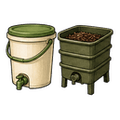 Bokashi and worm composter: for city dwellers, bokashi lets you process the leftovers worms don't like, then feed them the pre-compost in small amounts.
Key takeawaysYard and large volumes: the composter. Apartment: the worm composter. Tricky leftovers or very little space: bokashi, finished in soil, compost, or with worms. As for EM, they remain a helping hand.
Compost and vermicompost break down scraps with air, bokashi ferments them in a sealed container, and EM are supplementary microorganisms rather than a method in their own right. If you have a yard, the composter remains the foundation, possibly paired with a bokashi for tricky leftovers. In an apartment, the worm composter is the most complete solution, and bokashi is a great ally as long as you plan where to finish its contents. Choose based on your home, your scraps, and the time you want to spend on it: there's no bad method, only methods that are a better or worse fit for you.
Scan the code or visit mouttafarm.com/guide: all our how-to guides, with links to the products mentioned.



 France
 Belgium
 Switzerland
 Germany
 Austria
 United Kingdom
 Italy
 Spain
 Holland
 Portugal
 Ireland
 Sweden
 Finland
 Denmark
 Greece
 Poland
 Rumania
 Czech Republic
