












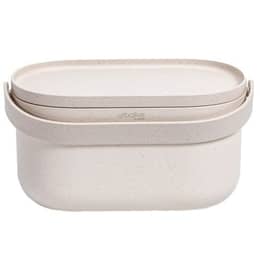
Urbalive 3.7L Bio Bucket
Modern, sleek design
$18.51 €16.58
Fast and odor-free, composting worms eat your food scraps and turn them into fertilizer for your plants.

From 2 to 4 trays, with an optional planter.

Up to 18 growing areas around a central worm composter.

Terracotta, with a flower pot.

From 2 to 4 trays, with a lower shelf.

Trays you add over time for easy vermicompost harvesting.

Turn your planters and flower beds into a worm composter: WORMacotta, In-Ground.
 Practical guide

From kitchen to garden, composting becomes simple, fast, and effective for everyone.
 Practical guide
 Practical guide
Live animals (worms and bait) and products to feed and care for pets and livestock.

Eisenia composting worms for your worm composter or compost bin.

Ultra-fresh worms: red worms, Dendros, and Canadian nightcrawlers from 3.5 oz (100 g) to 2.2 lb (1 kg).

Natural solutions dedicated to the well-being of horses, ponies, and donkeys.

Optimize the health and performance of your farm.

Mealworms: natural, nutritious supplements.
Beautify your home with our decorative pieces and care for your house in a natural, sustainable way.
Garden the eco-friendly way, in harmony with nature, for healthy, long-lasting plants.
EM-based products designed to enrich soil, protect plants, support animal health, and make everyday well-being and home care easier.

Contains a blend of 80 families of beneficial microorganisms.

Revitalize, purify, and improve water quality in all your applications.

Stimulate soil microbial activity and plant growth.

Clean and care for your surroundings naturally.

For the well-being and health of pets, livestock, and horses.

Enrich your body care and dietary routines with essential enzymes.
 Practical guidePractical guide

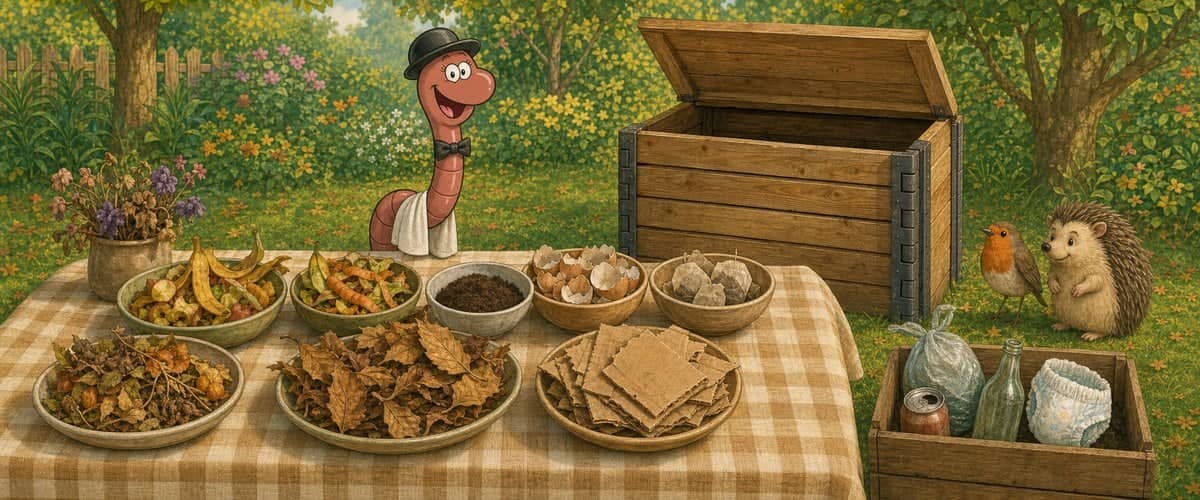
“Can this go in the compost?” It's the question we all ask at the kitchen compost pail, a peel or a tissue in hand. Good news: a backyard compost bin accepts a very wide variety of waste, far more than a worm composter. There are still a few exclusions you need to know about, and a handful of items to add with common sense.
Here is the complete list, sorted into four groups: what goes in without hesitation, what goes in sparingly, what never goes in, and the items that are up for debate.
The kitchen provides most of your everyday additions. These scraps are moist and rich in nitrogen: they are the materials known as “greens.”
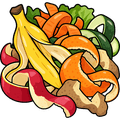 Fruit and vegetable peels and tops, raw or cooked, as well as bruised or damaged fruits and vegetables.
 Coffee grounds and paper filters, paper tea bags (remove the staple if there is one).
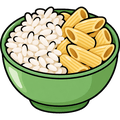 Plant-based leftovers: rice, pasta, cooked vegetables, in reasonable quantities.
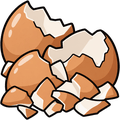 Eggshells, preferably crushed.
 Wilted flowers from bouquets and houseplants.
Did you know?Eggshells and seashells hardly break down at all in a home compost bin. That doesn't make them useless: they aerate the mix and gradually release minerals. So finding them whole when you harvest your compost is perfectly normal.
The yard supplies both green materials (grass clippings, young shoots) and dry materials, known as “browns,” which are essential for giving the compost structure.
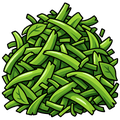 Grass clippings, never in a thick layer and always mixed with dry material.
 Fallen leaves, preferably shredded or run over with the mower.
 Hedge trimmings and small branches, cut up or shredded.
 Straw, bark, spent flowers, end-of-season vegetable garden residue (tomato plants, bean vines…).
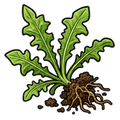 Weeds pulled before they go to seed.
The yard often produces more waste than the kitchen: we explain how to handle large volumes in our guide Green yard waste.
It's easy to overlook, but several kinds of household waste make excellent brown materials, invaluable for balancing out food scraps.
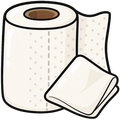 Paper tissues and paper towels (without cleaning products).
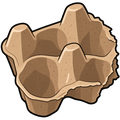 Unprinted brown cardboard, torn into pieces: egg cartons, paper towel tubes, shipping boxes without tape.
 Newspaper, in small amounts, crumpled or shredded.
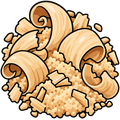 Sawdust and shavings from untreated wood, never from treated, painted, or varnished wood.
 Cold wood ash, in small amounts: it's very alkaline, so a handful now and then is plenty.
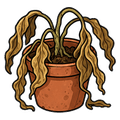 Houseplants that have wilted or reached the end of their life.
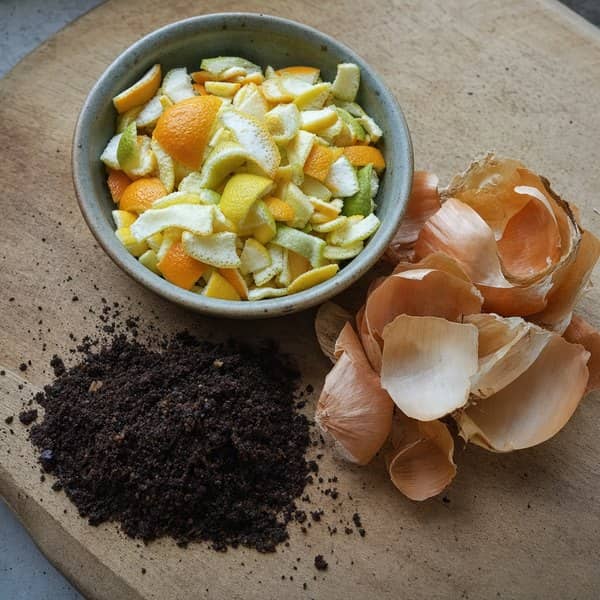
These items are compostable, but they need a little attention, either because they break down slowly or because they can attract animals.
 Bread, dairy, cheese rinds: accepted, but in small amounts and buried in the center of the pile so they don't attract rodents.
 Citrus: yes, in pieces and in the normal amounts a household produces.
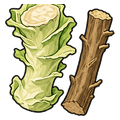 Hard or woody waste: cabbage cores, fruit pits, thick stems, and branches. They take a very long time to break down if they aren't cut up or shredded first.
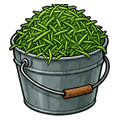 Large amounts of a single type of waste: a whole bucket of grass clippings or leaves all at once throws the mix off balance. It's better to store it alongside the bin and add it little by little.
Willy's tipThe smaller you cut your scraps, the more surface they offer to microorganisms and the faster they break down. A quick chop of cabbage cores and melon rinds before you toss them in saves a lot of time.
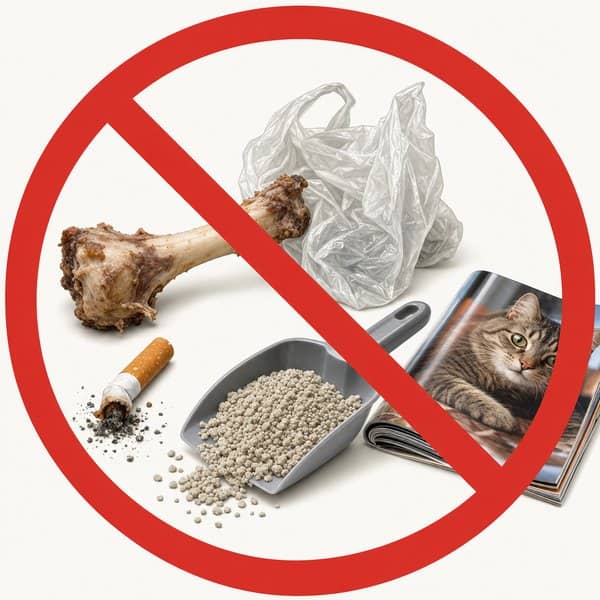
These items have no place in a compost bin, either because they don't break down, or because they contaminate the compost or pose a health risk.
 Plastics of all kinds, including so-called “biodegradable” bags and plastics: they must not go in a home compost bin.
 “Compostable” tableware and bags: they are designed for industrial composting facilities, where temperatures climb far higher than in a backyard compost bin.
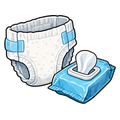 Disposable diapers, wipes, vacuum bag contents.
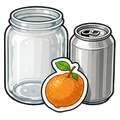 Glass, metal, synthetic fabrics, glossy paper, and produce stickers.
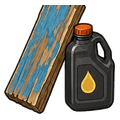 Treated, painted, or varnished wood, and chemicals (used motor oil, solvents…), which belong at your local hazardous waste drop-off site.
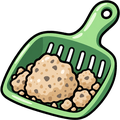 Cat litter and dog or cat poop, which can spread disease.
 Diseased plants and weeds that have gone to seed: a home compost bin doesn't get hot enough to kill pathogens or seeds.
Key takeawaysA simple rule for doubtful cases: untreated, plant-based waste that would break down on its own in nature is very likely fine for the compost bin. For anything that comes from an animal, check the list.
Meat and fish, bones, large amounts of citrus, bedding from herbivorous pets, invasive perennials: opinions differ depending on the source and the type of compost bin. We've gathered these cases, with our take on each one, in a dedicated guide: Citrus, meat, bread, pet bedding, weeds: the scraps that are up for debate.
For leftovers your compost bin struggles to digest (meat, fish, dishes in sauce), there is a complementary solution: bokashi fermentation, which pre-processes them before they go into the compost bin or the soil.
If you also have a worm composter, don't mix up the two lists. Composting worms are more sensitive: they don't like large amounts of grass clippings or branches, and citrus and the onion family should be limited for them. A backyard compost bin, on the other hand, accepts much more waste and in larger volumes. For worms, see our guide What can you feed earthworms?
So the whole family can sort without second-guessing, here is the short version, to copy onto a label or tape to the cabinet door:
 Yes: peels, bruised fruits and vegetables, coffee grounds and filters, tea, eggshells, wilted flowers, grass clippings in a thin layer, leaves, small shredded trimmings, paper towels, tissues, brown cardboard, sawdust from untreated wood.
 A little, cut small and buried: bread, dairy, cheese, citrus, leftovers, cold wood ash.
 No: plastics, even “biodegradable” ones, compostable tableware, diapers, wipes, glass, metal, fabrics, treated or painted wood, chemicals, cat litter, dog or cat poop, diseased plants, weeds gone to seed.
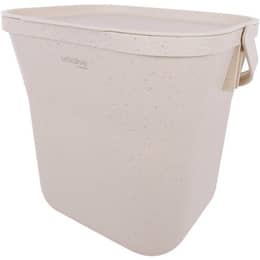
In the kitchen, a compost pail with a lid saves you daily trips out to the yard and keeps fruit flies away. The Kaylis 7L compost pail or the Maze 9L compost pail keep your food scraps within easy reach between trips outside. Also remember to keep a supply of dry material (leaves, cardboard, wood chips) next to the compost bin: for every bucket of food scraps, add some browns. We explain why in our guide Green and brown materials.
Almost everything from the kitchen and yard can go in the compost bin: peels, coffee grounds, shells, grass clippings, leaves, shredded trimmings, paper towels, and brown cardboard. Bread, dairy, and citrus can go in in small amounts. Plastics (even “biodegradable” ones), treated products, cat litter, and diseased plants stay out. When in doubt, ask yourself whether the item is plant-based, untreated, and would break down on its own in nature, and cut it into small pieces.
Scan the code or visit mouttafarm.com/guide: all our how-to guides, with links to the products mentioned.



 France
 Belgium
 Switzerland
 Germany
 Austria
 United Kingdom
 Italy
 Spain
 Holland
 Portugal
 Ireland
 Sweden
 Finland
 Denmark
 Greece
 Poland
 Rumania
 Czech Republic
