












Preorder
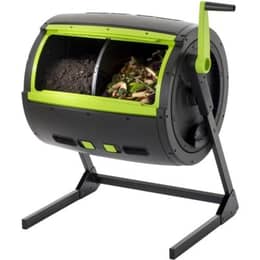
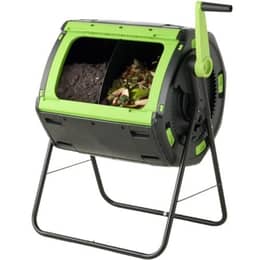
245L Maze Rotating Composter with Dual Chambers
Effortless outdoor composting
$231.67 €207.50
Fast and odor-free, composting worms eat your food scraps and turn them into fertilizer for your plants.

From 2 to 4 trays, with an optional planter.

Up to 18 growing areas around a central worm composter.

Terracotta, with a flower pot.

From 2 to 4 trays, with a lower shelf.

Trays you add over time for easy vermicompost harvesting.

Turn your planters and flower beds into a worm composter: WORMacotta, In-Ground.
 Practical guide

From kitchen to garden, composting becomes simple, fast, and effective for everyone.
 Practical guide
 Practical guide
Live animals (worms and bait) and products to feed and care for pets and livestock.

Eisenia composting worms for your worm composter or compost bin.

Ultra-fresh worms: red worms, Dendros, and Canadian nightcrawlers from 3.5 oz (100 g) to 2.2 lb (1 kg).

Natural solutions dedicated to the well-being of horses, ponies, and donkeys.

Optimize the health and performance of your farm.

Mealworms: natural, nutritious supplements.
Beautify your home with our decorative pieces and care for your house in a natural, sustainable way.
Garden the eco-friendly way, in harmony with nature, for healthy, long-lasting plants.
EM-based products designed to enrich soil, protect plants, support animal health, and make everyday well-being and home care easier.

Contains a blend of 80 families of beneficial microorganisms.

Revitalize, purify, and improve water quality in all your applications.

Stimulate soil microbial activity and plant growth.

Clean and care for your surroundings naturally.

For the well-being and health of pets, livestock, and horses.

Enrich your body care and dietary routines with essential enzymes.
 Practical guidePractical guide

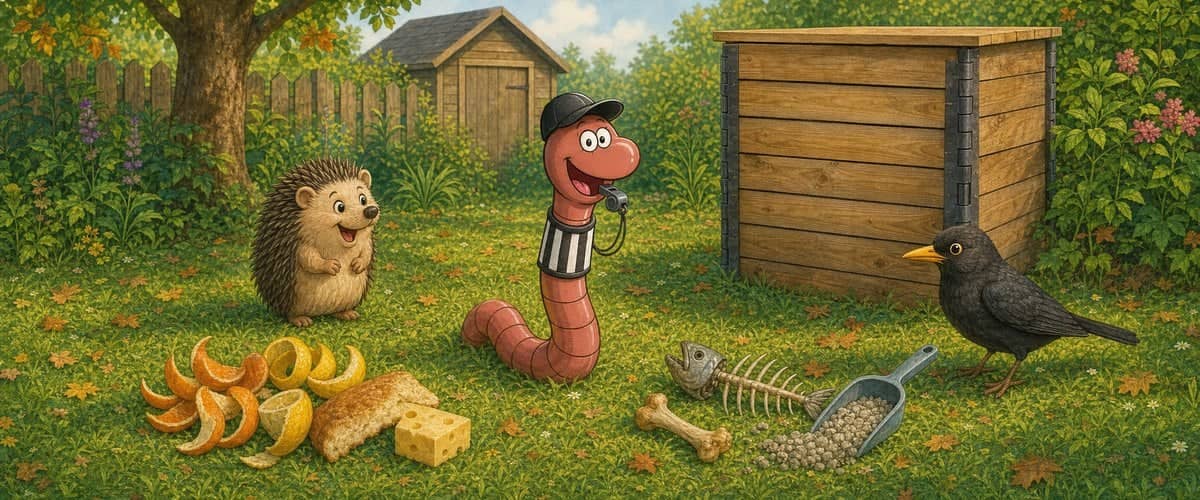
Citrus, meat, bread, rabbit litter… Everyone has an opinion on certain scraps, and even reputable sources don't all say the same thing. There's a good reason for these differences: a backyard composter, a shared community composter, and a worm composter don't face the same constraints.
Rather than make an arbitrary call, we compared the recommendations of the main composting guides. Here, case by case, is what they say and the position we recommend.
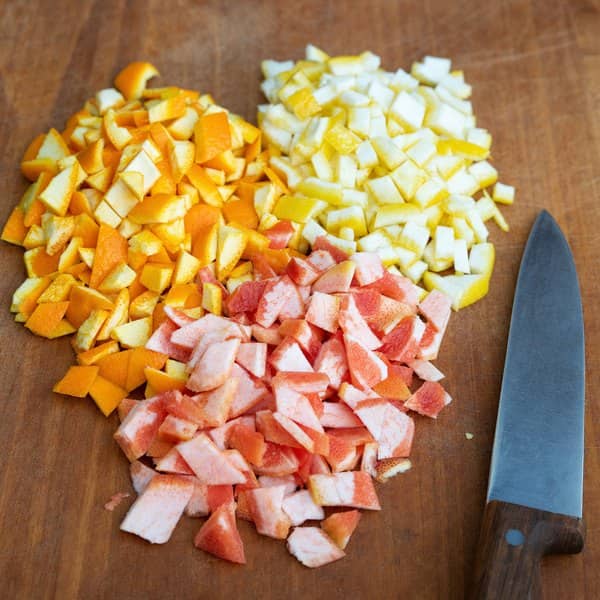
This is probably the most stubborn myth of all. In fact, all citrus peels can be composted in moderate amounts. Some shared composters only refuse citrus "in large quantities," and some composting educators go so far as to call it an urban legend when it comes to composters set directly on the ground.
Our position: yes in a backyard composter, chopped into pieces to speed up decomposition, in normal household quantities. If you squeeze 2.2 lb (1 kg) of oranges every morning, add the peels gradually over time and mix them in well. In a shared composter, follow the site's guidelines. In a worm composter, however, keep citrus to a minimum: the worms aren't fond of it.
Here, opinions are genuinely divided. Some guides accept meat in small pieces, placed in the center of the pile out of reach of animals, while advising you to limit it. Others reject it because it attracts rodents, dogs, and cats. Maze, the maker of tumbling composters, excludes large pieces of meat and bones.
Our position: best avoided in an open pile and in a shared composter. In a tightly closed bin, small scraps buried deep in the material are acceptable. Bones, on the other hand, break down very slowly and attract animals: it's better to leave them out.
Key takeawaysA backyard composter doesn't get hot enough to sanitize meat or diseased plants. That's the real reason for these exclusions: not because these scraps don't decompose, but because they attract pests or risk spreading germs and diseases.
Here too, opinions differ. Some guides accept bread, dairy, and cheese rinds. Many shared composters refuse them because of odors and animals, and other advice suggests avoiding dairy and cooked dishes in home compost.
Our position: in small quantities, chopped and buried in the center of the composter, never left on the surface. An occasional bread crust or cheese rind is no problem at all. A whole pan of leftover cream sauce is: greasy waste like this is better suited to bokashi. In a shared composter, the site's guidelines take precedence.
Rabbit or guinea pig droppings mixed with their straw, hay, or wood-shaving bedding make excellent additions: rich in nitrogen and paired with dry material. Rabbit droppings in particular go into the compost with no trouble at all.
Cat litter and dog or cat feces, however, must be kept out. These carnivores can pass parasites and diseases on to humans, and home compost doesn't get hot enough to destroy them. Mineral litters (clay, silica) don't compost anyway.
Did you know?Small herbivore litter makes a great natural compost "activator": it provides both nitrogen (the droppings) and dry material (the straw or shavings), which is exactly the mix you're after.
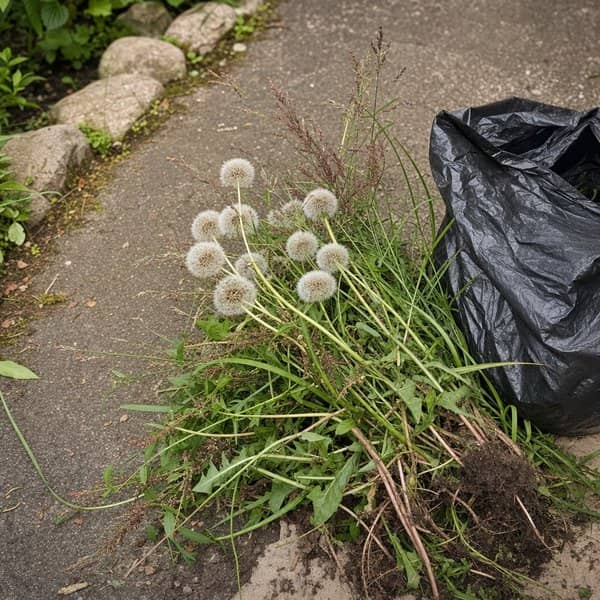
Young weeds pulled before they flower are good green material. The problem starts once they carry seeds. It takes about 30 days at 145 °F (63 °C) or more to destroy the seeds of the hardiest species. A home composter almost never reaches these temperatures: the heat escapes too easily.
Our position: yes before they set seed, no afterward. Perennials that regrow from their roots or rhizomes (quackgrass, bindweed, dock…) should also be kept out. Some gardeners first leave them to dry in the sun for a long time, until they're completely dead, before composting them: only do this if you're sure of the result. Otherwise, you'll be replanting them yourself when you spread your compost.
The same caution applies to clippings from a lawn treated with selective weed killer: they don't belong in the compost. Wait at least eight weeks after treatment before using these clippings as mulch; the simplest option is still to leave them on the lawn.
Tomato leaves affected by blight, roses covered in powdery mildew, fruit mummified by brown rot: don't put them in the composter. Once again, the temperature of home compost isn't high enough to eliminate the fungi and bacteria responsible, which could make their way back into your vegetable garden with the compost. Diseased plants are better taken to your local drop-off center along with your yard waste.
If you don't want to throw anything away, there's a complementary solution for meat, fish, dairy, and leftover meals: bokashi. This airtight bucket ferments food scraps for about three weeks using bran enriched with microorganisms, Bokashi EM Compost Activator. The result isn't compost yet: it then needs to finish breaking down in a composter or be buried in uncultivated soil. Once fermented, these leftovers generally attract fewer animals.
To learn all about the method, check out our bokashi guide. And if you'd rather make your own fermented bran, the Kit for making your own Bokashi & Compost activator contains everything you need.
Willy's tipFor households with rodents in the neighborhood, a closed, raised tumbling composter is harder to get into than an open pile. It doesn't make meat compostable, but it does limit unwanted visits for everything else.
For the full list of what can and can't go in the composter, see our guide What to put in your composter? And if you also have a worm composter, its rules are stricter: see what you can feed your worms.
Citrus: yes in a backyard composter, chopped and in normal quantities. Bread and dairy: a little, buried. Meat and bones: preferably not, except small scraps in a closed bin, and bokashi is the best option. Herbivore litter: yes; cat and dog: no. Weeds gone to seed, perennial weeds, and diseased plants: no, because a home composter doesn't get hot enough to neutralize them. In a shared composter, the site's guidelines always come first.
Scan the code or visit mouttafarm.com/guide: all our how-to guides, with links to the products mentioned.



 France
 Belgium
 Switzerland
 Germany
 Austria
 United Kingdom
 Italy
 Spain
 Holland
 Portugal
 Ireland
 Sweden
 Finland
 Denmark
 Greece
 Poland
 Rumania
 Czech Republic
