











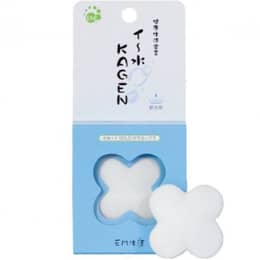
EM ceramic figurine | For cold drinks
Improves water, reduces scale buildup, limits oxidation
$33.41 €29.92
Fast and odor-free, composting worms eat your food scraps and turn them into fertilizer for your plants.

From 2 to 4 trays, with an optional planter.

Up to 18 growing areas around a central worm composter.

Terracotta, with a flower pot.

From 2 to 4 trays, with a lower shelf.

Trays you add over time for easy vermicompost harvesting.

Turn your planters and flower beds into a worm composter: WORMacotta, In-Ground.
 Practical guide

From kitchen to garden, composting becomes simple, fast, and effective for everyone.
 Practical guide
 Practical guide
Live animals (worms and bait) and products to feed and care for pets and livestock.

Eisenia composting worms for your worm composter or compost bin.

Ultra-fresh worms: red worms, Dendros, and Canadian nightcrawlers from 3.5 oz (100 g) to 2.2 lb (1 kg).

Natural solutions dedicated to the well-being of horses, ponies, and donkeys.

Optimize the health and performance of your farm.

Mealworms: natural, nutritious supplements.
Beautify your home with our decorative pieces and care for your house in a natural, sustainable way.
Garden the eco-friendly way, in harmony with nature, for healthy, long-lasting plants.
EM-based products designed to enrich soil, protect plants, support animal health, and make everyday well-being and home care easier.

Contains a blend of 80 families of beneficial microorganisms.

Revitalize, purify, and improve water quality in all your applications.

Stimulate soil microbial activity and plant growth.

Clean and care for your surroundings naturally.

For the well-being and health of pets, livestock, and horses.

Enrich your body care and dietary routines with essential enzymes.
 Practical guidePractical guide

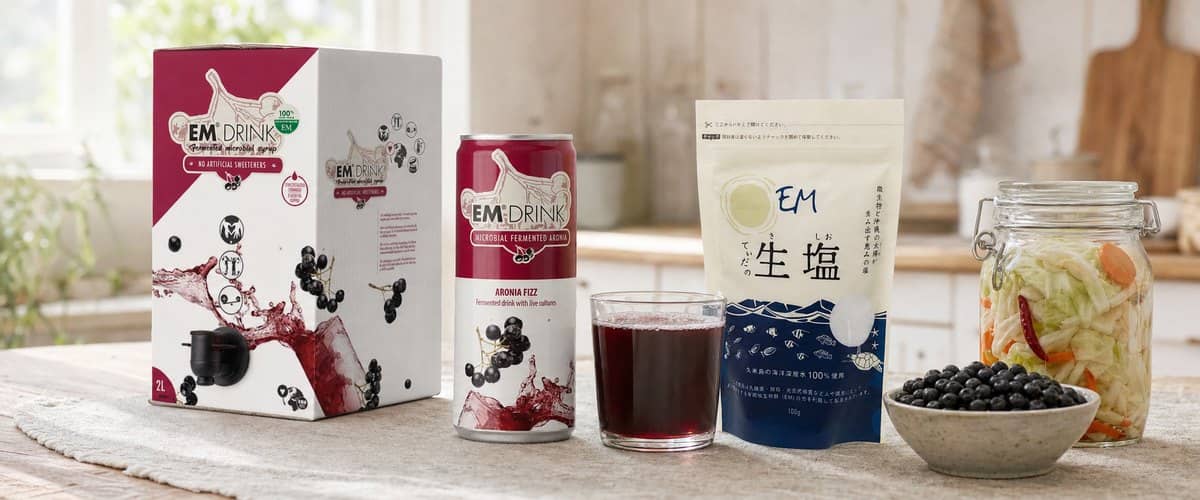
Effective microorganisms aren't just for the garden and household cleaning. You'll also find them in fermented drinks, a sea salt, a soap, and a toothpaste. These products are consumed or applied to the body, so they are subject to much stricter rules than cleaning products, especially regarding what may be claimed about them.
Here is what these products are, how to use them, and why we describe them without ever attributing any health effect to them.
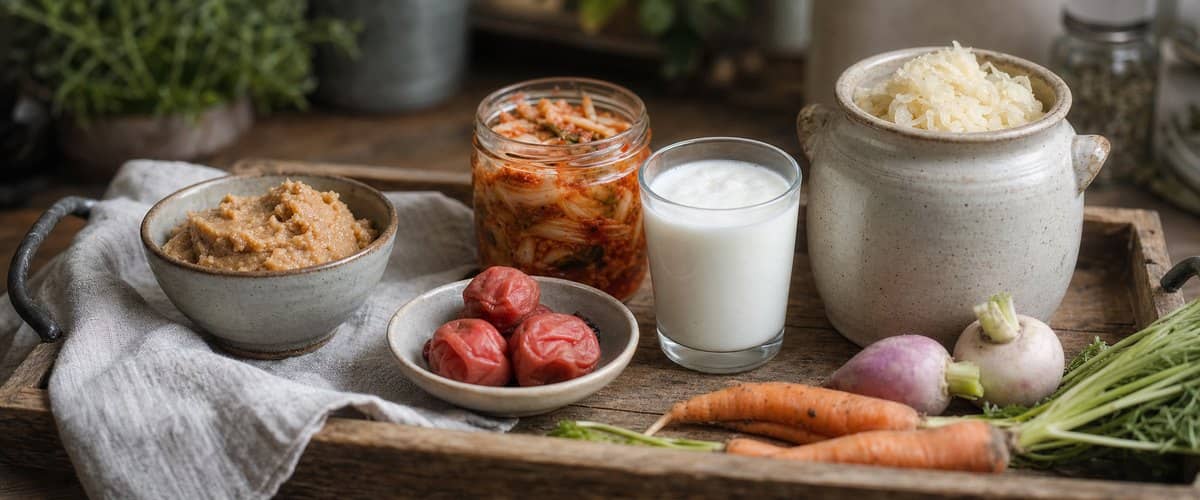
Fermentation is one of the oldest food preservation techniques. Yogurt, kefir, sauerkraut, kimchi, sourdough bread, kombucha: lactic acid bacteria and yeasts turn sugars into acids, gases, and flavors. The pH drops, which protects the food, and the taste becomes tangy. EM drinks are part of this tradition: they are fermented products with a flavor all their own.
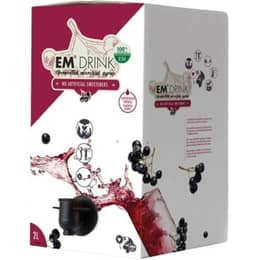
EM Drink with aronia is a fermented drink made in the Netherlands. According to its product sheet, it contains purified water, lactic acid bacteria, yeasts, organic aronia juice (6%), natural black currant flavor, wheat bran extract, and sugar, almost all of which is converted during fermentation. Per 3.4 fl oz (100 ml), it provides about 16 calories, 0.38 g of sugars, and 630 mg of lactic acid.
 Taste: fresh, tangy, lightly fruity.
 Use: straight, in small 0.85 fl oz (25 ml) servings, or diluted like a syrup, about one part to five parts water.
 Storage: refrigerate after opening; the vacuum-sealed bag-in-box limits contact with air.
 Allergies: it contains wheat bran extract. Check the label if you have a wheat allergy.
EM Drink Aronia Fizz is the sparkling, ready-to-drink version, in an 8.5 fl oz (250 ml) can. It contains live cultures and is best enjoyed well chilled, as an alternative to soda.
Aronia is a small black berry with a slightly astringent taste, which gives these drinks their dark color.
EM-X Gold is a drink made by long fermentation, developed in Japan. Unlike EM Drink, it contains no live microorganisms, only the substances produced during fermentation. It is calorie-free and caffeine-free, with no added flavoring. There is no set dose: drink it straight or add it to a hot drink or a recipe.
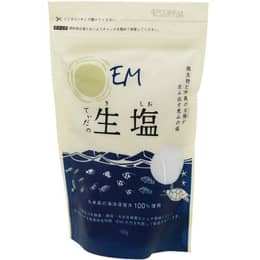
EM Sea Salt Gold is a sea salt from Okinawa, sun-dried and made using EM technology, according to the manufacturer. Use it in cooking like any other salt. Keep in mind that any salt is first and foremost sodium: it counts toward your daily intake, which public health guidelines recommend limiting to about 0.18 oz (5 g) of salt a day from all sources.
Did you know?Published studies on EM-X involve cells or rats and use an older formula based on rice, papaya, and seaweed. We have found no rigorous clinical trials in humans: one more reason to present these drinks as drinks, and nothing more.
In the European Union, Regulation (EC) No 1924/2006 governs nutrition and health claims on food. The principle is simple: a food may claim a health effect only if that claim appears on a European list, after scientific assessment, and under the specified conditions.
 "Probiotic": for European authorities, this word implies a health benefit. It is therefore a health claim, and none has been authorized for probiotics to date. France has tolerated the term since 2023, but only on dietary supplements, with a minimum quantity of live microorganisms and regulated wording. This exception does not apply to a drink.
 Immunity, digestion, "after antibiotics": these promises are prohibited without an authorized claim. Those referring to a disease or treatment are reserved for medicines.
 "Rich in antioxidants": even this wording is regulated. It is allowed only alongside an authorized claim, and provided the product contains enough of the vitamin or nutrient concerned.
That is why we describe these products by their ingredients, taste, and use. For any question about health, pregnancy, breastfeeding, ongoing treatment, or a child's diet, ask your doctor or pharmacist for advice.
Key takeawaysA fermented EM drink is a drink. It can be enjoyable and part of a varied diet, but it doesn't cure anything and doesn't replace any treatment.
Body soap and toothpaste are cosmetic products, governed in the EU by Regulation (EC) No 1223/2009. They must undergo a safety assessment and have an identified responsible person in the EU, and their claims must be truthful and substantiated. A cosmetic cleans, perfumes, protects, or maintains: it cannot claim to treat.
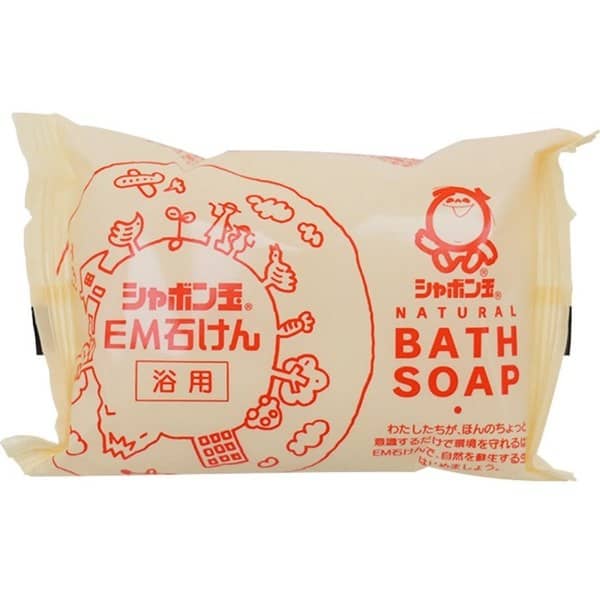
Our EM soap, made in Okinawa, is a simple soap with no fragrance, preservatives, or colorings, to which EM is added as it cools. It comes in two versions: Body & Bath, for skin and hair, and Kitchen & Degreasing, to rub onto a damp sponge for doing the dishes, as is traditionally done in Japan. The dishwashing version falls under the rules for cleaning products, not those for cosmetics.
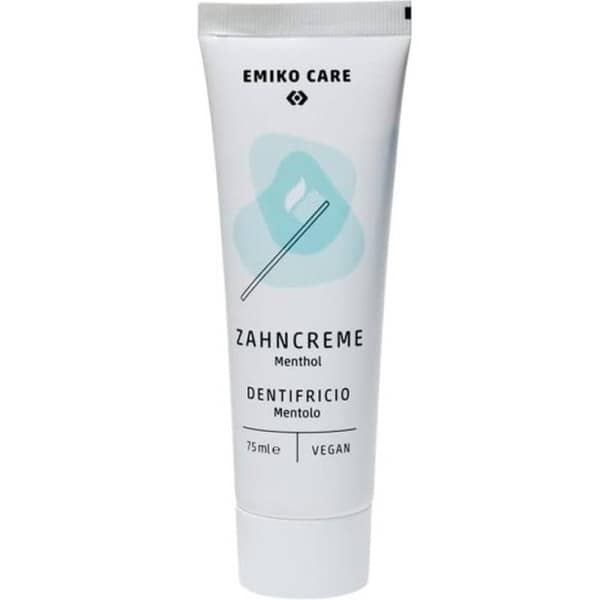
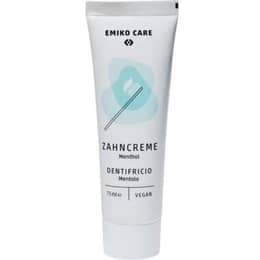
EMiko Care toothpaste is made with chalk, rhassoul clay, coconut oil, stevia, and EM ceramic powder, in unflavored, fennel, or mint versions. It contains only the fluoride naturally present in chalk, about 65 ppm. That is low: fluoride toothpastes recommended for preventing cavities generally contain 1,000 to 1,450 ppm. If you or your children need protection against cavities, ask your dentist which toothpaste to use.
Emy's tipPut a pea-sized amount of toothpaste on the brush, brush for two to three minutes twice a day, then rinse the brush and the sink well: chalk can leave a thin white residue.
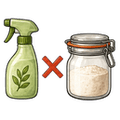 EM products for the garden and home never go in the kitchen: not EM-1, EM-A, Microferm, or EM Clean. They are not foods. Some brochures suggest fermenting vegetables with EM Clean: don't do it.
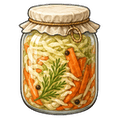 For homemade lacto-fermented vegetables, you don't need any EM product: vegetables packed tightly in a jar, about 2% salt by weight, and a few weeks without air are all it takes. The lactic acid bacteria naturally present on the vegetables do the work.
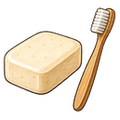 The soap and toothpaste are for humans. For your pets, use products designed for them and ask your vet for advice.
To understand what science actually says about EM, read our guide What science says about EM. The legal framework for all EM products, from the garden to cosmetics, is explained in EM and regulations. And for household cleaning, see Natural cleaning with EM Clean. The whole range is gathered in our EM body care section.
EM Drink, Aronia Fizz, and EM-X Gold are fermented drinks, EM Sea Salt Gold is a cooking salt, and the soap and EMiko Care toothpaste are cosmetics. European law forbids attributing health effects to them without an authorized claim, and in France the word "probiotic" is tolerated only on dietary supplements. So we present them by their ingredients and use. Never put a household or garden EM product in your food, choose a fluoride toothpaste if your dentist recommends it, and talk to your doctor about any health question.
Scan the code or visit mouttafarm.com/guide: all our how-to guides, with links to the products mentioned.



 France
 Belgium
 Switzerland
 Germany
 Austria
 United Kingdom
 Italy
 Spain
 Holland
 Portugal
 Ireland
 Sweden
 Finland
 Denmark
 Greece
 Poland
 Rumania
 Czech Republic
