










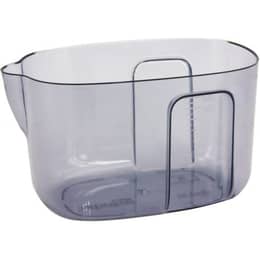
Leachate collector for worm composters
34 fl oz (1-liter) capacity with ergonomic pouring spout and measuring marks
$2.94 €2.62
-30%
Fast and odor-free, composting worms eat your food scraps and turn them into fertilizer for your plants.

From 2 to 4 trays, with an optional planter.

Up to 18 growing areas around a central worm composter.

Terracotta, with a flower pot.

From 2 to 4 trays, with a lower shelf.

Trays you add over time for easy vermicompost harvesting.

Turn your planters and flower beds into a worm composter: WORMacotta, In-Ground.
From kitchen to garden, composting becomes simple, fast, and effective for everyone.
Live animals (worms and bait) and products to feed and care for pets and livestock.

Eisenia composting worms for your worm composter or compost bin.

Ultra-fresh worms: red worms, Dendros, and Canadian nightcrawlers from 3.5 oz (100 g) to 2.2 lb (1 kg).

Natural solutions dedicated to the well-being of horses, ponies, and donkeys.

Optimize the health and performance of your farm.

Mealworms: natural, nutritious supplements.
Beautify your home with our decorative pieces and care for your house in a natural, sustainable way.
Garden the eco-friendly way, in harmony with nature, for healthy, long-lasting plants.
EM-based products designed to enrich soil, protect plants, support animal health, and make everyday well-being and home care easier.

Contains a blend of 80 families of beneficial microorganisms.

Revitalize, purify, and improve water quality in all your applications.

Stimulate soil microbial activity and plant growth.

Clean and care for your surroundings naturally.

For the well-being and health of pets, livestock, and horses.

Enrich your body care and dietary routines with essential enzymes.

One of the perks of keeping composting worms rather than a pet: there's no need to find a boarding kennel or ask a neighbor for a favor for a weekend, a week, or even two. Your worms are perfectly capable of fending for themselves while you're away for short periods. Here's how long you can be away with peace of mind, and how to handle longer absences.
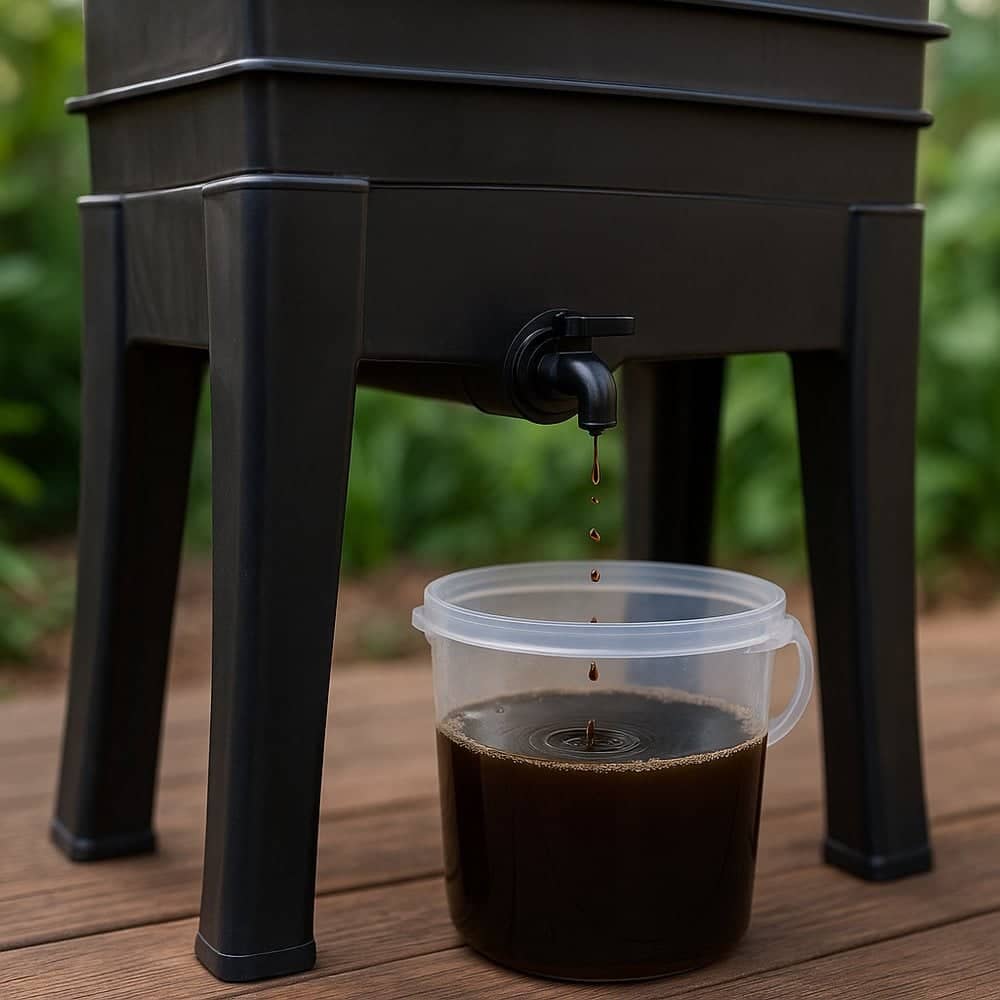 Your worms can go without fresh food for 3 to 4 weeks with no problem at all: they simply keep feeding on whatever is left in the active tray. Before you leave, a few simple steps are all it takes:
Did you know?Unlike a pet, your worms will never need you to find someone to look after them for a weekend or a week's vacation.
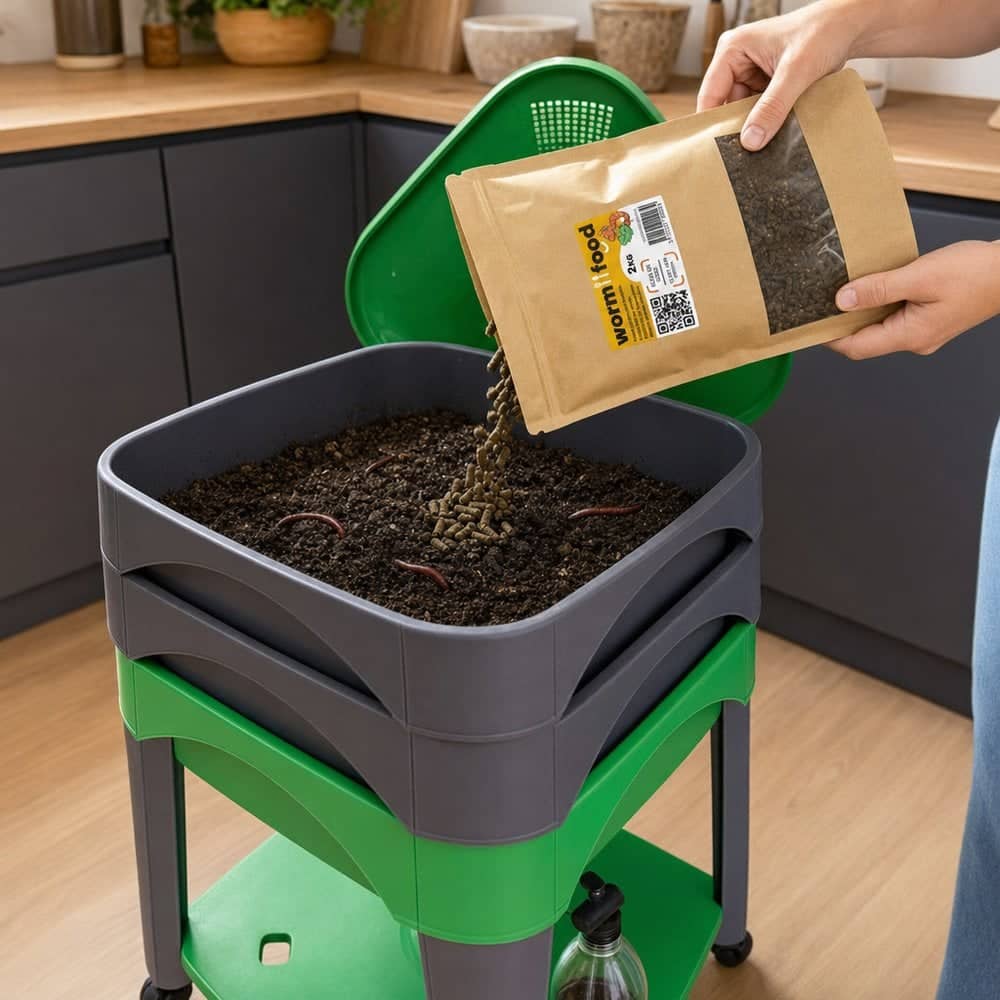 After 3 to 4 weeks, the worm population starts to decline for lack of food, and your worm bin will need a little time to get back up to speed when you return. For a longer absence, you have two options:
One thing to keep in mind if you're going away in winter: if you turn off the heat in your home while you're gone, it's best to think about the cold before you leave rather than when you get back — we explain what to do in our guide Protecting against cold and heat
This can happen if you ordered your worms without realizing you'd be away: don't panic, just keep them in their shipping bedding in the fridge until you return. You can then set up your worm composter as usual — we walk through each step of getting started in our guide How to set up your worm composter
A quick check is usually all it takes: if the bedding has dried out a bit while you were away, moisten it lightly before resuming your usual feeding. If you were gone for more than a month, ramp back up gradually rather than all at once — giving your slightly smaller worm population time to get back to its normal pace. We explain the right feeding rhythm in our guide What do earthworms eat?
No need to book boarding for your worms: for absences of up to 3-4 weeks, a slightly more generous feeding before you leave and an open spigot are more than enough. Beyond that, an occasional visit from someone or a supply of coco coir will take over, while keeping the cold in mind if you're leaving in winter.

 France
 Belgium
 Switzerland
 Germany
 United Kingdom
 Italy
 Spain
 Holland
 Portugal
 Ireland
 Sweden
 Finland
 Denmark
 Greece
 Poland
 Rumania
 Czech Republic
