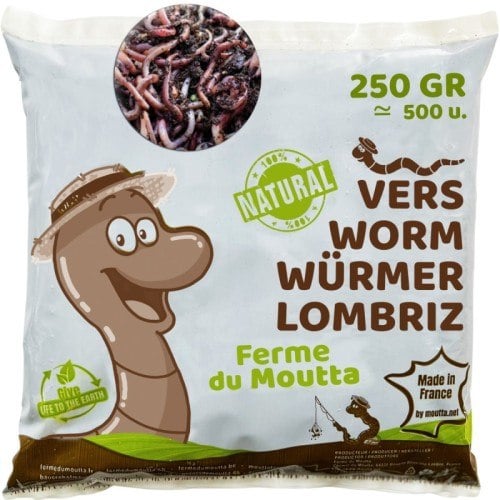
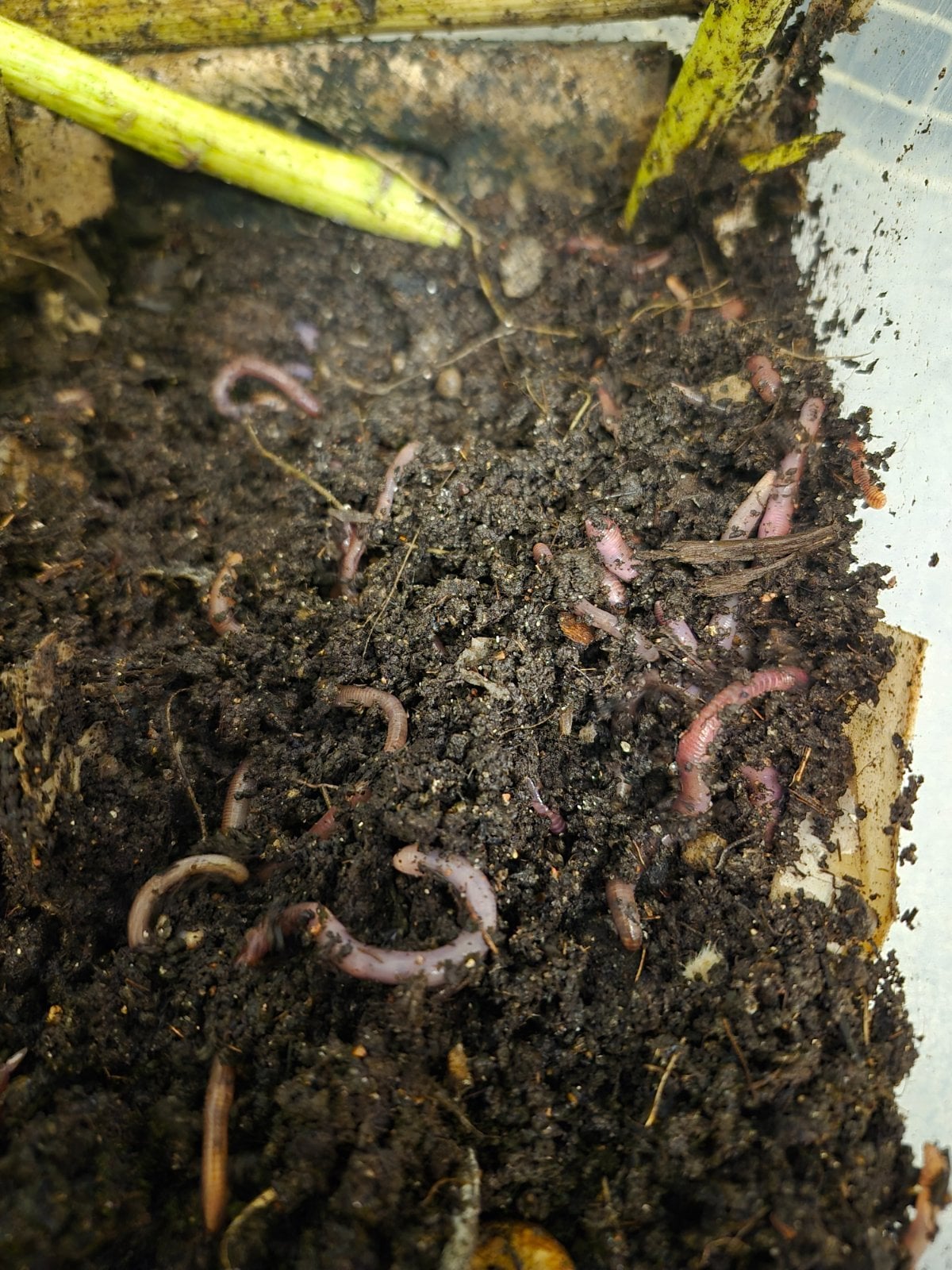
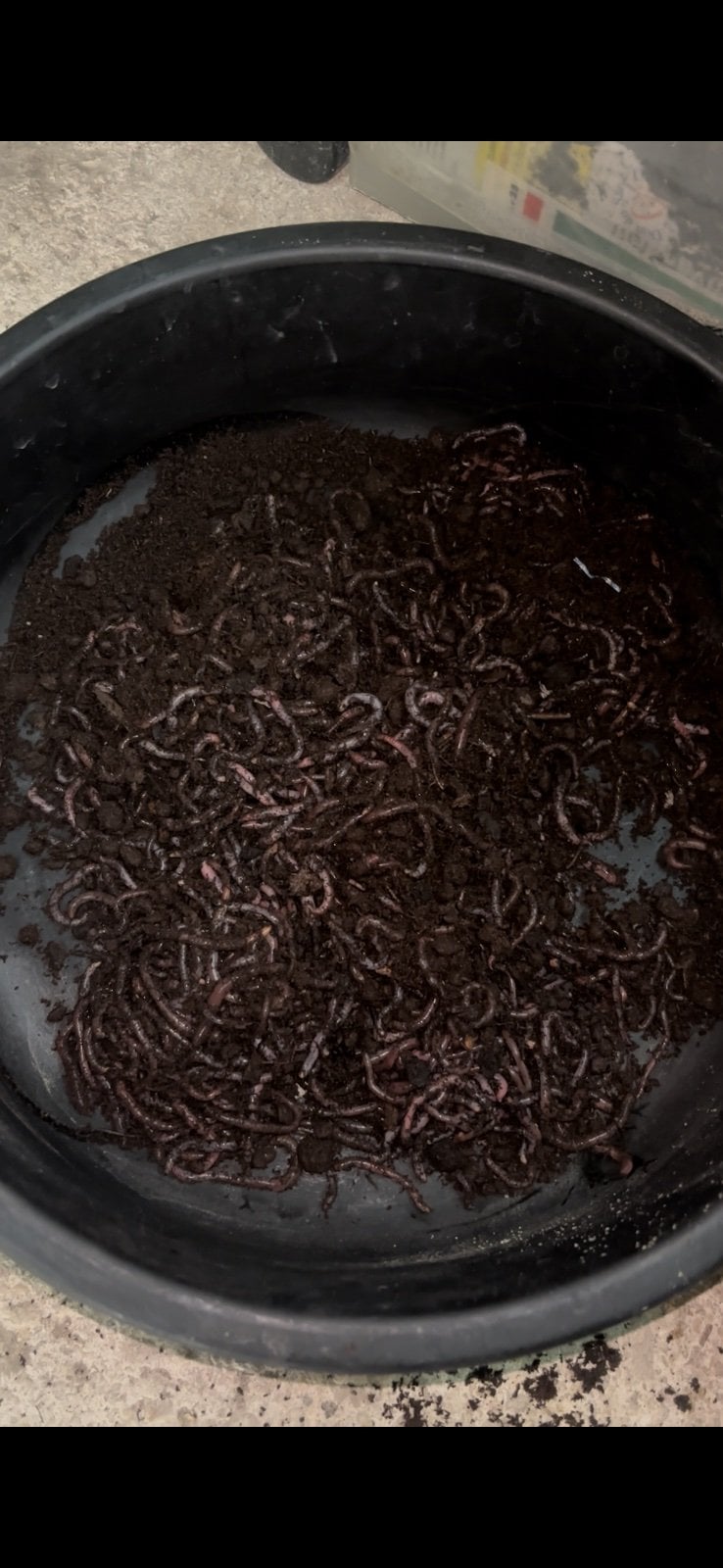
Our Eisenia composting worms are individually sorted and weighed (without bedding) to guarantee the exact quantity with every order. They’re shipped in a transport bedding specially developed by Moutta Farm, weighing twice as much as the worms, to keep them comfortable and lively and help them settle smoothly into their new home.
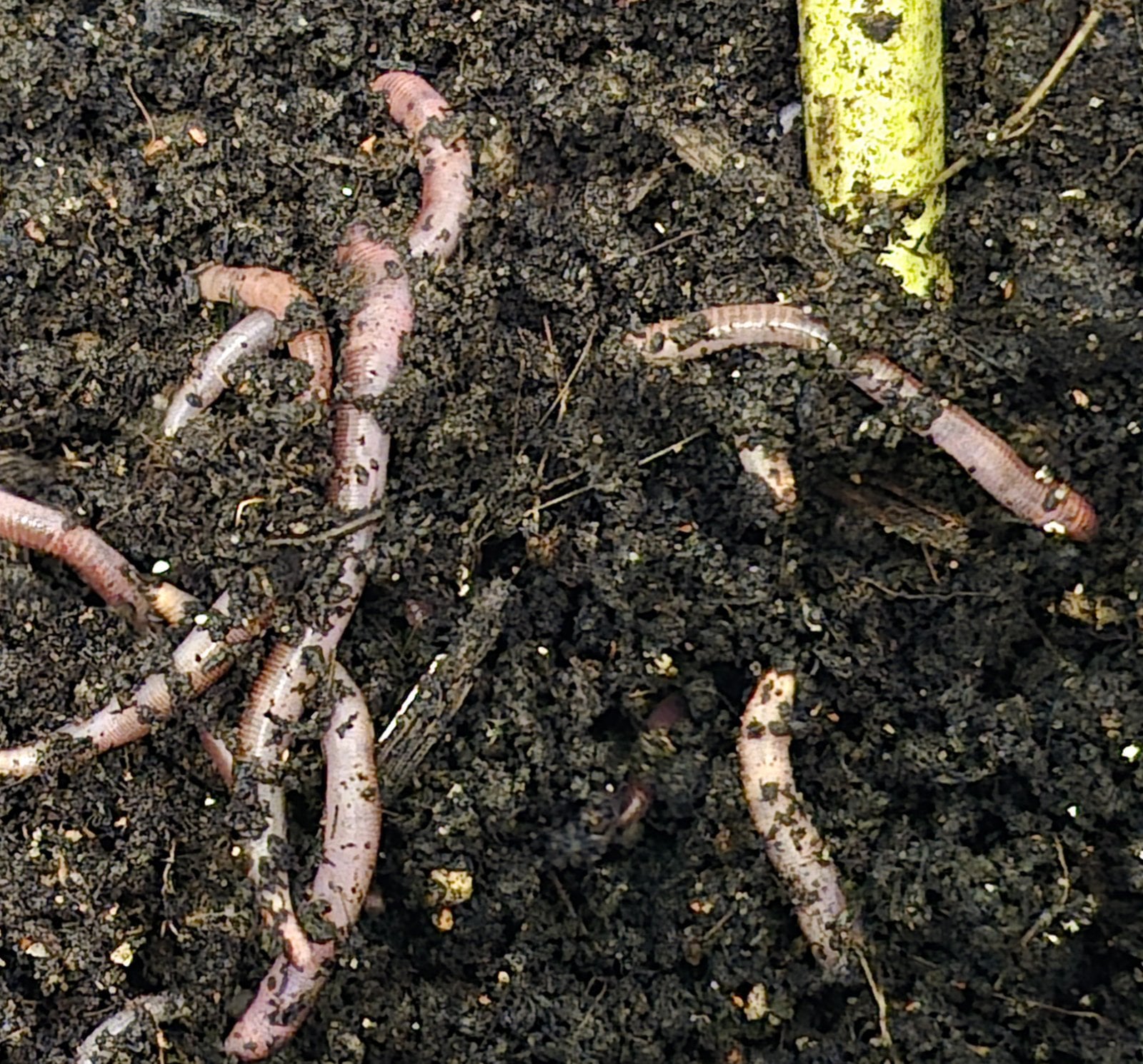
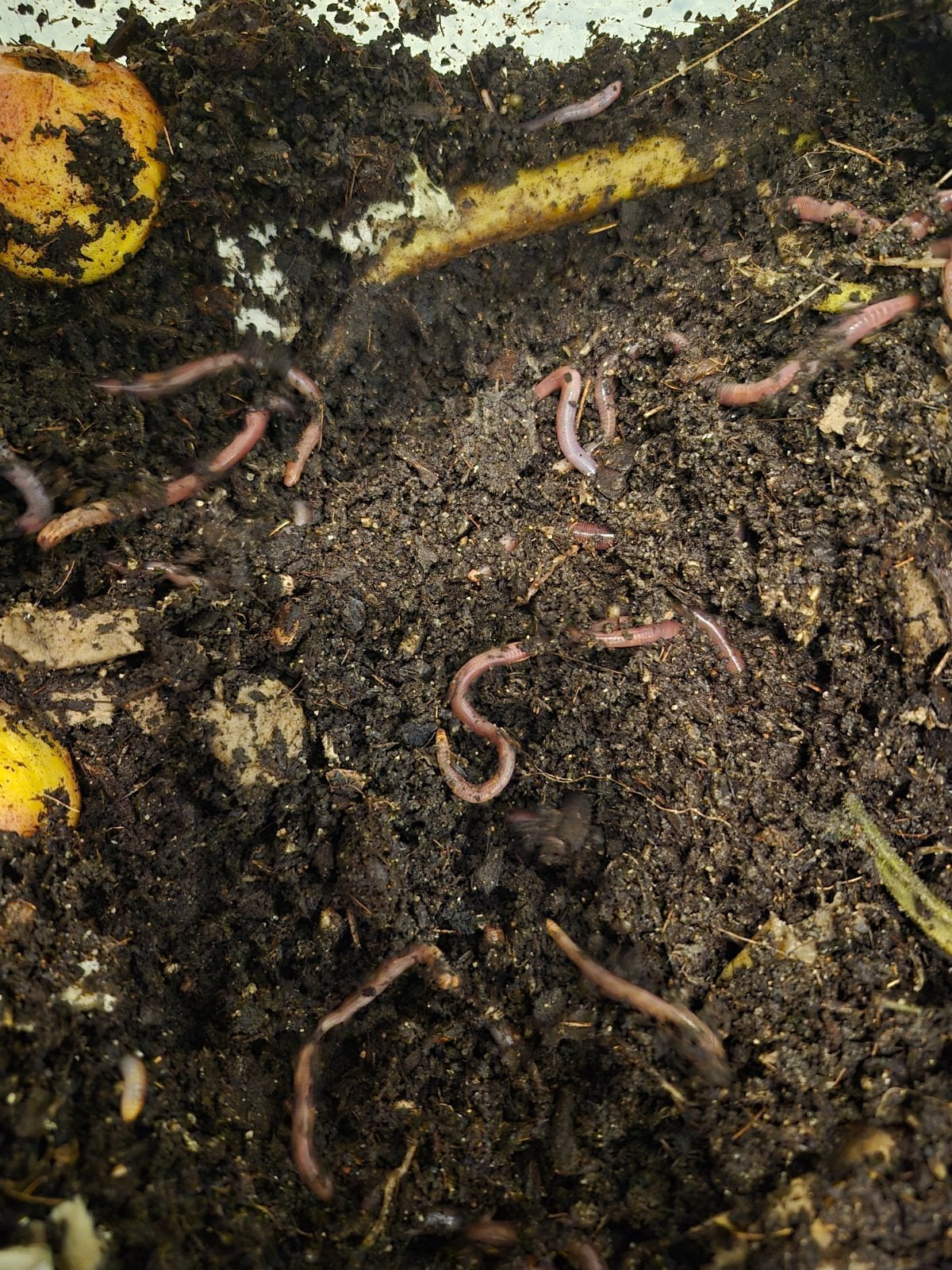
We work exclusively with worms from the Eisenia family, recognized as the best worms for vermicomposting. Very active, hardy, and hungry, they quickly turn organic waste into high-quality vermicompost and worm tea.

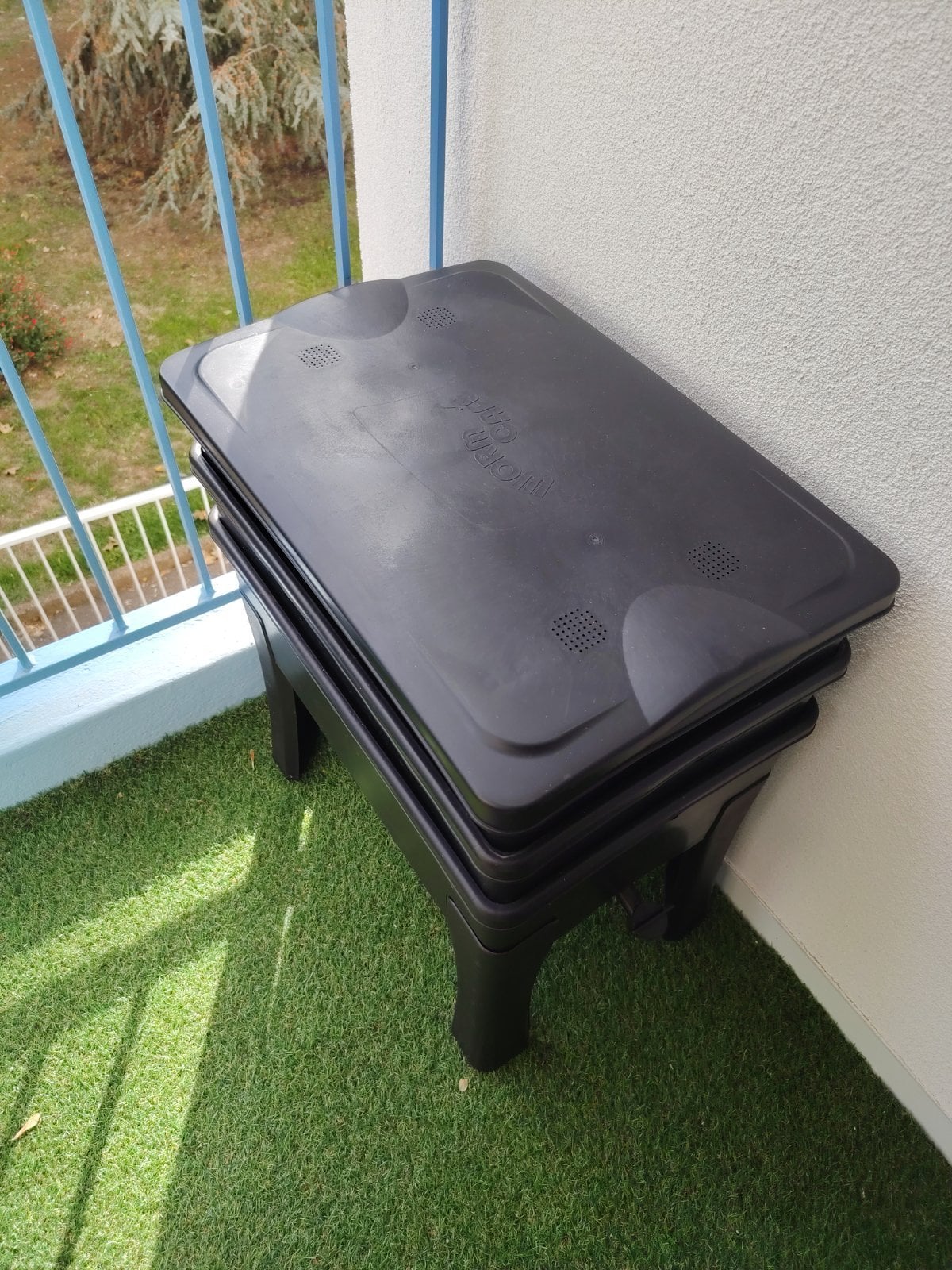
For a worm composter:
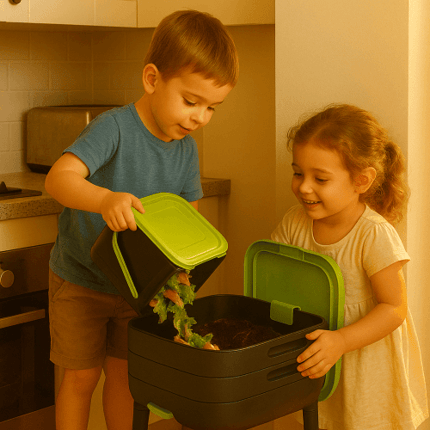
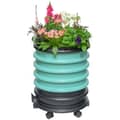
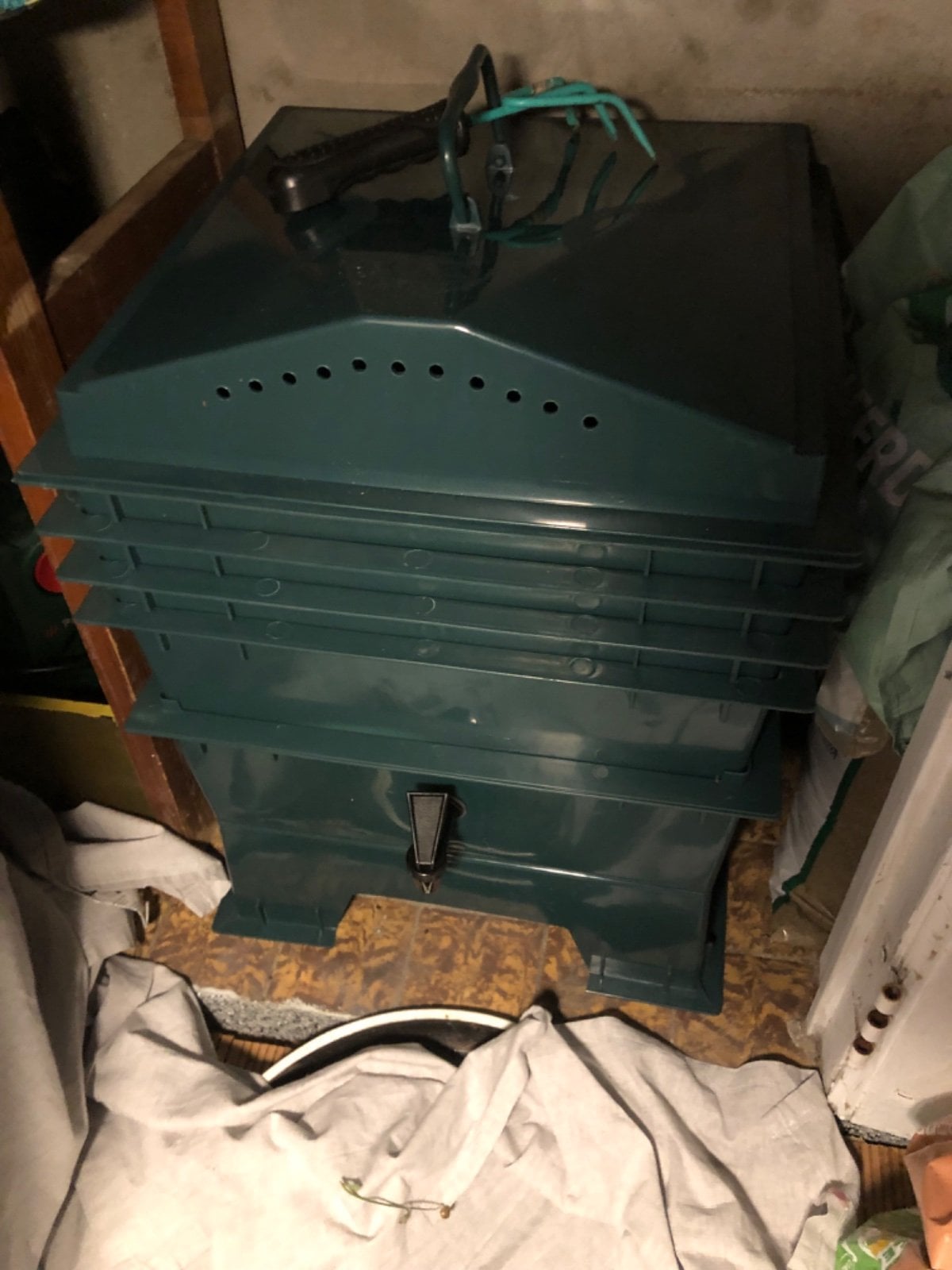
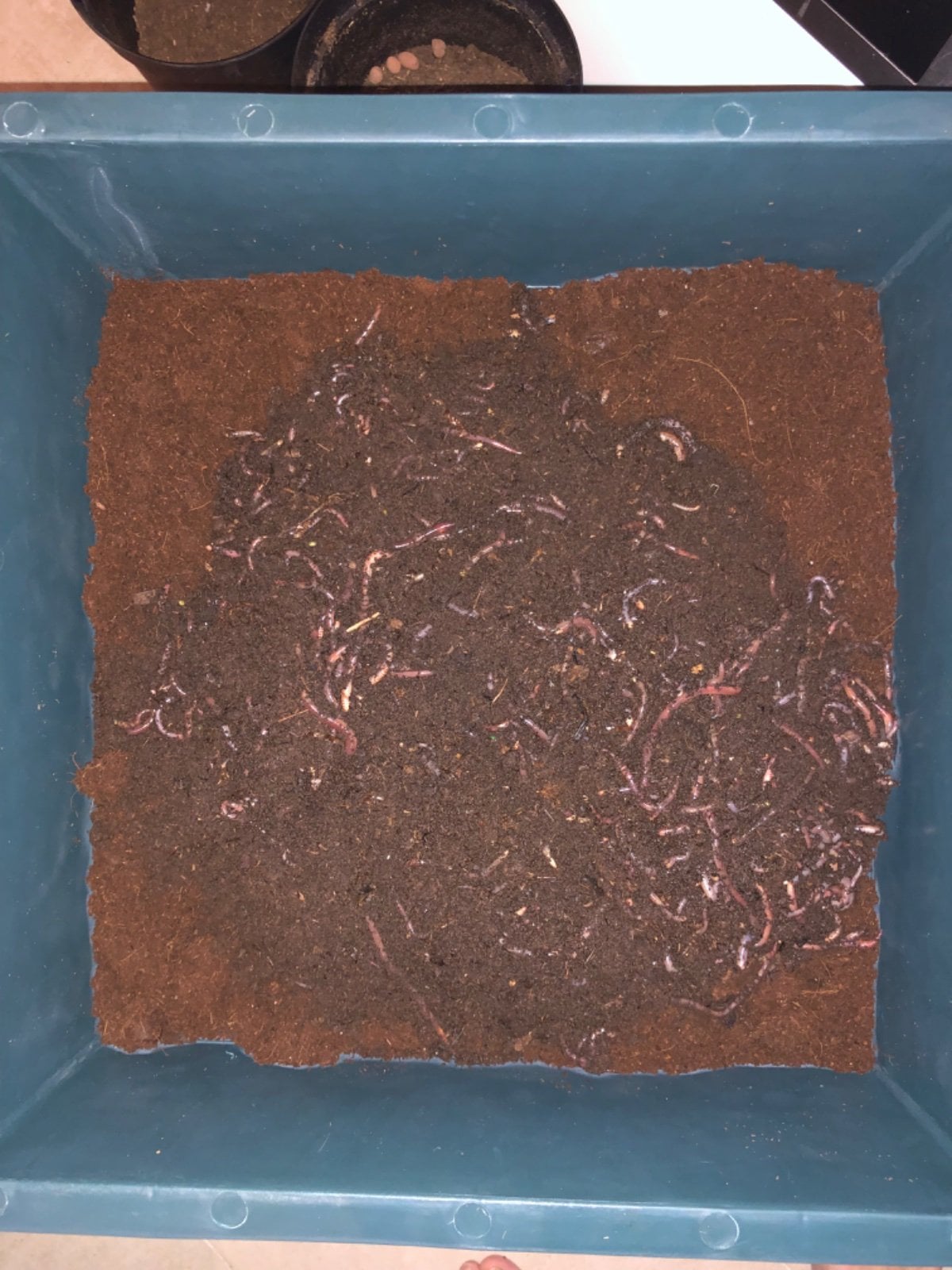
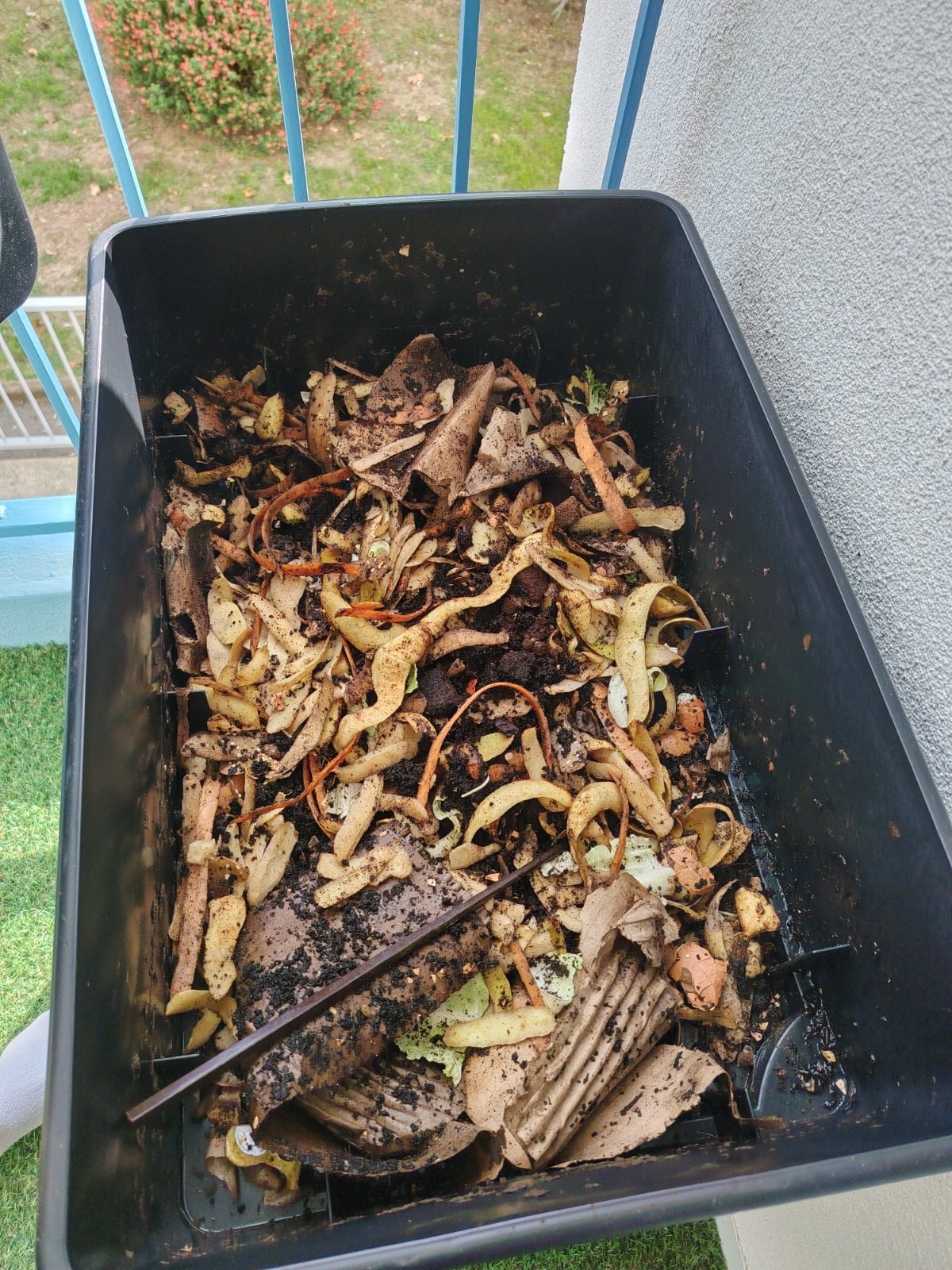
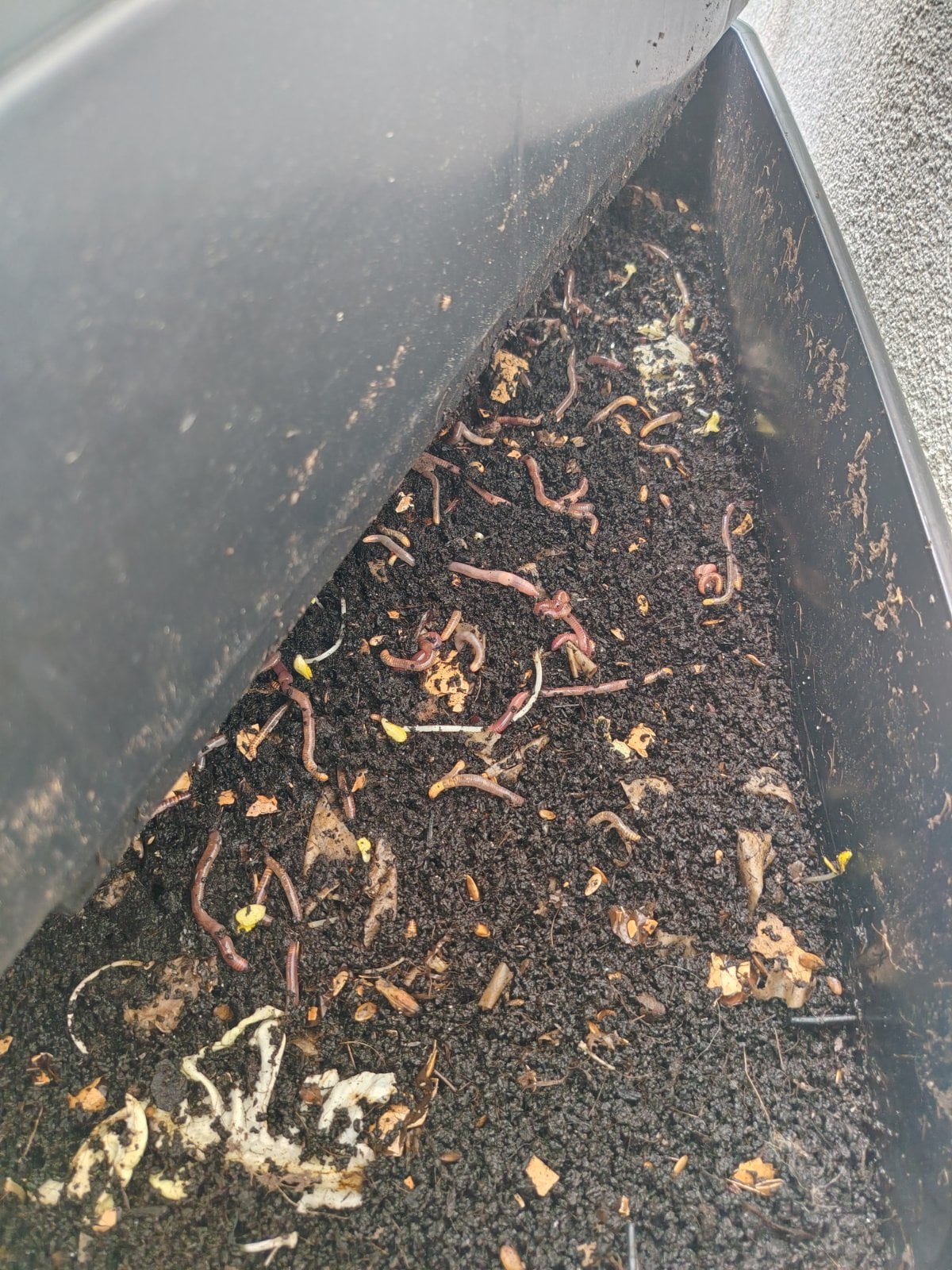
Our composting worms are perfect for indoor vermicomposting. They work just as well in tray systems and continuous flow systems as in worm bins with a planter. Active and voracious, they quickly break down your food scraps while staying near the surface, where the material is richest.
We recommend 8.8 oz (250 g) of worms for a household of 1–2 people, 1.1 lb (500 g) for 3–4 people, and 2.2 lb (1 kg) or more for households of more than 4. The more worms you start with, the faster and more efficient the startup phase will be.
For a compost bin:
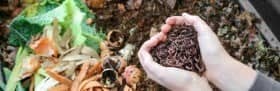
Give your compost bin a natural boost by adding composting worms. They dramatically speed up the breakdown of waste and produce a richer, livelier soil amendment. If your compost bin sits directly on the ground, the worms will gradually colonize your yard, up to 49 ft (15 m) around, improving your soil for the long term.
For the garden or vegetable garden:
100% suited to the natural environment, our worms thrive easily in your garden or vegetable patch. True behind-the-scenes workers, they make soil more fertile, better aerated, and better draining—while encouraging microbial life in the soil. An essential ally for a healthy, productive garden.
? Check out our guide to learn more about their role and how to introduce them.
Which worm species for my worm composter or backyard compost bin?
Every batch contains a balanced mix of three Eisenia species. This diversity ensures excellent adaptability, indoors or outdoors, whatever your type of composter or the food available.
Each species plays a complementary role, ensuring efficient waste breakdown, optimal reproduction, and a stable population over the long term.
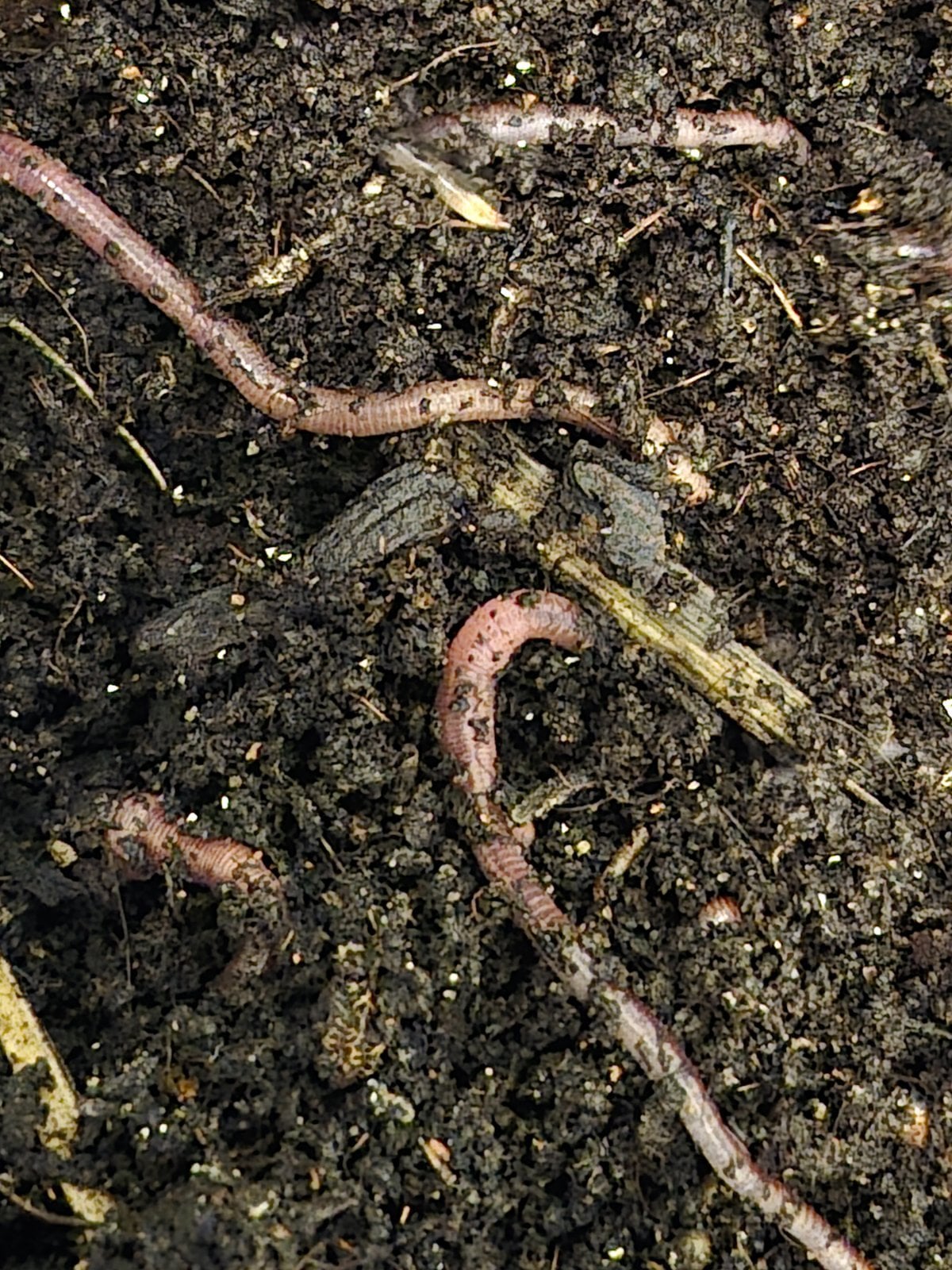
Eisenia Andreï: Known as the "California worm"—though it isn’t American at all. Deep red in color (hence the nickname), it prefers fresh materials. It’s less tolerant of temperature extremes (below 41 °F (5 °C) and above 86 °F (30 °C)).
Eisenia Hortensis: (Dandrobaena venata) Larger and well known to anglers, it’s more effective on tougher materials and much more tolerant of temperature extremes, winter and summer. It can be a bit of an explorer, so 1 or 2 worms may wander off during the first 2 or 3 days (nothing to worry about!).
Eisenia Foetida: The “manure worm,” red striped with gray or yellow, it prefers decomposing matter.
Strength in diversity:
These three Eisenia species live together perfectly in your worm composter or compost bin. Over time, one or two may become dominant—they’re simply the ones best suited to your location, climate, and what you feed them.
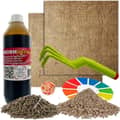
Included: a 12-page mini-guide in English, your go-to companion for introducing the worms to their new home. It covers what worms eat and offers solutions to any problems you may run into.
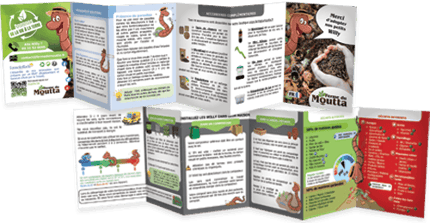
Live delivery guaranteed, even in summer!
Since 2007, we’ve been carefully shipping composting worms all over Europe. Even if something goes wrong in transit, our customer service team steps in quickly to make sure you receive your worms in top shape.
In summer, worms are shipped with ice packs for safe, stress-free transport. During heat waves (95 °F (35 °C) and above), shipments may be postponed to protect the worms’ health and well-being.
Contrary to popular belief, it’s perfectly fine to mix different worm species—something we’ve mastered for nearly 20 years. Every day, we ship 200–300 batches across Europe, and our customer feedback is unanimously positive!






































 Switzerland
 Germany
 United Kingdom
 Italy
 Spain
 Holland
 Portugal
 Ireland
 Sweden
 Finland
 Denmark
 Greece
 Poland
 Rumania
 Czech Republic
